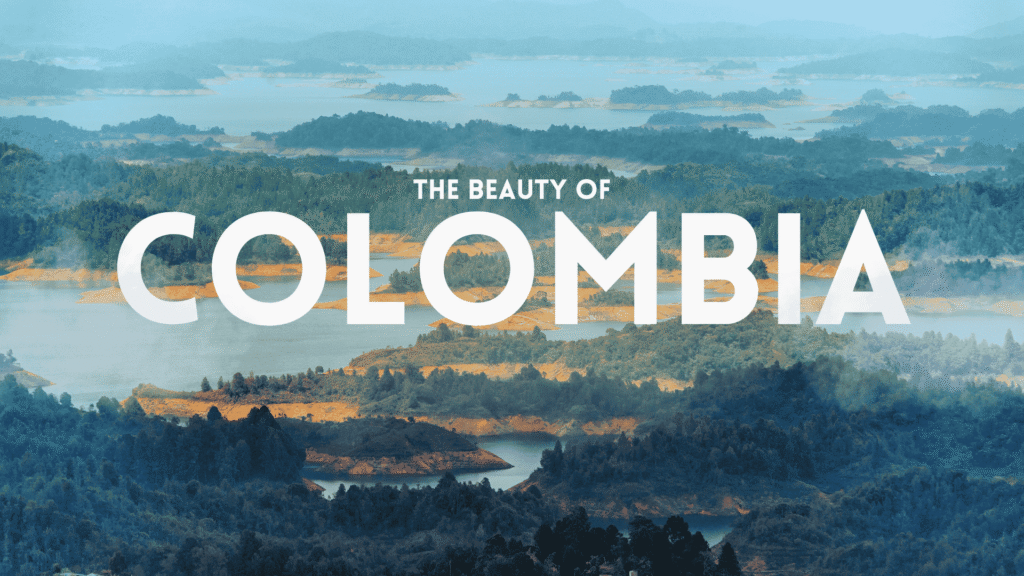
Colombia’s transformation as a travel destination represents one of the more dramatic reputation reversals in modern tourism history. A country that spent decades defined in international perception almost entirely by the violence and instability of its worst period has spent the past two decades systematically building a travel experience that has begun attracting the kind of international attention its geography, culture, food, and people have always deserved. The travelers who arrive in Medellín, Cartagena, Bogotá, and the coffee region with expectations shaped by the country’s historical reputation consistently find a gap between what they anticipated and what they encounter that leaves them evangelical about what Colombia has become. The destination has not been discovered so much as rediscovered — recognized finally by an international travel community that is catching up to what the Colombians who live there have always known about the country they inhabit.
What Colombia Offers That Has Earned Its Growing Reputation
The geographic and cultural range that Colombia contains within its borders is extraordinary even by South American standards — a continent whose destinations are individually remarkable for their diversity. Colombia is simultaneously a Caribbean coastal country, an Andean mountain country, an Amazon basin country, and a Pacific coastal country, with each of these geographic zones producing distinct landscapes, climates, cuisines, and cultural characters that provide the variety that most travelers require an entire continent to access. The traveler who spends two weeks in Colombia can move from the colonial walled city of Cartagena on the Caribbean coast to the urban sophistication and eternal spring climate of Medellín in the Andes, through the coffee region’s verdant hillsides and colorful towns, to the capital Bogotá’s cultural density and altitude — a range of experience that would require multiple countries in most other parts of the world.
Cartagena’s old city — the walled colonial center whose architecture, color, and Caribbean energy combine into one of the most visually distinctive urban environments in Latin America — has become one of the continent’s most recognizable travel images, and its reputation is deserved in ways that the most photographed destinations do not always deliver when visited in person. The streets within the walls feel genuinely inhabited rather than preserved for tourism, the food in the city’s restaurants and street stalls reflects a coastal Colombian cuisine that the rest of the world has barely begun to discover, and the scale of the old city is intimate enough that the experience of wandering without a plan produces the kind of discovery that larger or more thoroughly managed historic districts rarely allow.
Medellín’s Transformation as a Travel Story in Itself
Medellín deserves specific attention not just as a travel destination but as a story about urban transformation that has become one of the more remarkable municipal narratives of the past thirty years. The city that was declared the world’s most dangerous in the early 1990s has become a model of urban renewal studied by city planners internationally — a transformation driven by investment in public infrastructure, education, and connectivity that elevated the city’s most isolated hillside neighborhoods through cable cars and escalators while its cultural institutions and restaurant scene developed a sophistication that attracts visitors from across the Americas and beyond.
The result is a city whose travel experience is animated by the awareness of what the transformation represents — the creativity of a population that built something extraordinary from a starting point that many cities in comparable situations did not recover from. The El Poblado and Laureles neighborhoods offer a concentration of restaurants, cafés, and nightlife that rivals any city in Latin America at a price point that makes extended stays genuinely accessible. The city’s spring climate — Medellín sits at an altitude that produces temperatures in the low to mid-70s Fahrenheit year-round — is consistently identified by visitors as one of the more pleasant urban climates they have encountered anywhere in the world, a characteristic that locals refer to with the pride that any city with perpetual spring weather rightfully carries.
The Coffee Region That Delivers on Every Expectation
The Eje Cafetero — the coffee axis that encompasses the departments of Caldas, Risaralda, and Quindío in the central Andes — is the Colombia that coffee enthusiasts have been aware of for decades and that general travelers are discovering with the enthusiasm that genuinely excellent destinations produce in people who arrive without fully calibrated expectations. The landscape that coffee cultivation has shaped — steep green hillsides terraced with coffee plants, traditional bahareque farmhouses painted in the vivid colors that distinguish the region’s architectural tradition, and the small towns that serve as hubs for the surrounding agricultural communities — is among the most visually beautiful agricultural landscapes in the world.
The coffee tourism infrastructure that has developed around the region’s haciendas allows visitors to follow the coffee production process from the picking of cherries through washing, drying, roasting, and cupping in ways that produce an understanding of specialty coffee whose depth no café experience can approximate. Staying at a working coffee farm — an option available across a range of budgets from modest guesthouses to renovated historic haciendas — provides immersion in the agricultural rhythm and hospitality culture of a region whose pride in what it produces is genuine and whose welcome of visitors who share that interest is correspondingly warm.
The Practical Considerations That Shape the Experience
Colombia’s travel infrastructure has improved substantially alongside its growing tourism sector, but the practical realities of visiting a country that is still actively developing its tourism capacity deserve honest engagement rather than the uncritical enthusiasm that destination marketing produces. The safety picture that most concerns prospective first-time visitors has improved dramatically in the urban centers and tourist regions that the majority of international travelers visit — Cartagena, Medellín, Bogotá, and the coffee region are all meaningfully safer than the historical reputation that precedes them in international perception. The standard urban precautions that any traveler applies in a major Latin American city — awareness of surroundings, avoiding displaying valuable items publicly, using registered taxis or ride-sharing applications rather than hailing street cabs — constitute the practical security approach that most experienced Colombia travelers apply without anxiety.
The internal flight network connecting Colombia’s major cities is well developed and reasonably priced, making the country’s geographic diversity accessible without the overland travel times that the Andean topography would impose on road-only itineraries. The quality and variety of accommodation across the destination range from the boutique hotels of Cartagena’s old city — some of the most atmospherically distinctive small hotels in Latin America — to the design-forward options that Medellín’s hotel market has developed to serve the business and leisure travelers the city now attracts. Spanish language capability enhances the travel experience significantly outside the tourist centers, where English is less commonly spoken than in the most international districts of the major cities — not an insurmountable barrier for non-Spanish speakers but a genuine enrichment for those who have invested in even basic conversational ability.
Conclusion
Colombia has earned its growing reputation among international travelers not through marketing but through the travel experience it actually delivers — a geographic and cultural range that few countries can match, cities whose transformation stories animate the experience of being in them, a coffee region whose agricultural beauty and hospitality are genuinely exceptional, and a population whose warmth toward visitors reflects a genuine pride in showing what the country has become rather than managing expectations shaped by what it was. The travelers who arrive with open expectations and genuine curiosity consistently find a destination that rewards both more fully than they anticipated — which is the definition of a place that has earned its reputation rather than borrowed it.