
Sport Utility Vehicles, commonly known as SUVs, have become a popular choice for many drivers due to their versatility, space, and road presence. Whether someone is upgrading from a smaller vehicle or purchasing an SUV for the first time, understanding what to look for before making a decision can lead to a more satisfying ownership experience.
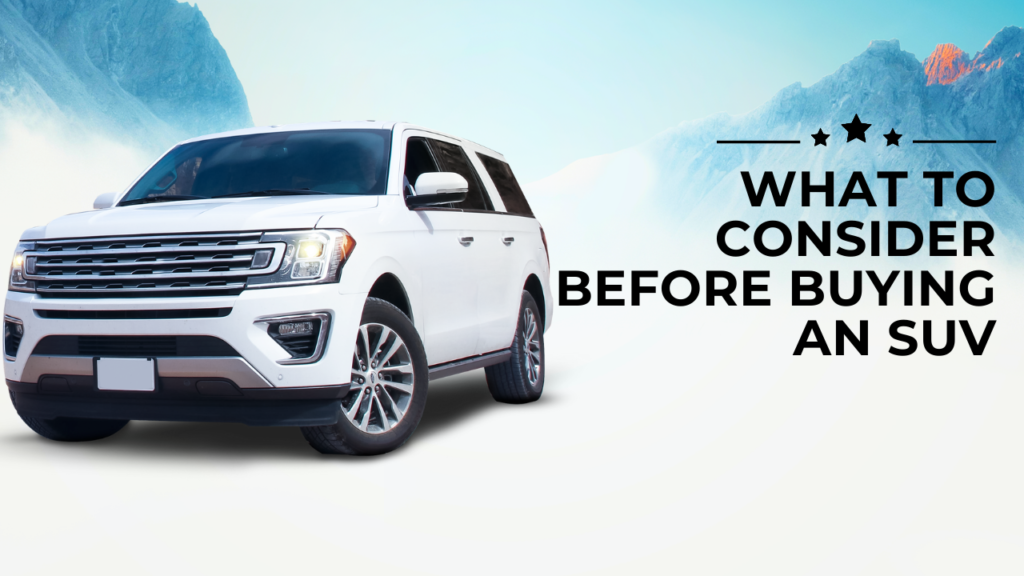
This guide explores key factors to consider before buying an SUV, helping readers make informed choices based on practical needs rather than trends alone.
Understanding Your Driving Needs and Lifestyle
Before focusing on specific models or features, it is important to consider how the SUV will be used. Some drivers prioritize daily commuting, while others need space for family travel, outdoor activities, or long-distance driving. Usage patterns influence the type of SUV that may be suitable.
For example, urban drivers may value compact sizing and ease of parking, while those who travel frequently might focus on comfort and cargo space. Clarifying these needs early helps narrow options and prevents unnecessary compromises later.
Evaluating Size, Space, and Interior Comfort
SUVs come in various sizes, ranging from compact to full-size. Interior space plays a major role in long-term satisfaction, especially for families or individuals who carry passengers regularly. Seating layout, legroom, and headroom should be considered carefully.
Cargo capacity is another important factor. Foldable seats and flexible storage options can make a difference in day-to-day convenience. Taking time to sit inside the vehicle and assess comfort can reveal details that specifications alone may not show.
Safety Features and Technology Considerations
Safety is often a top priority when choosing an SUV. Modern vehicles offer a wide range of safety technologies designed to assist drivers and reduce risk. Features such as driver assistance systems, parking sensors, and visibility enhancements contribute to a more confident driving experience.
Technology inside the vehicle also affects usability. Infotainment systems, navigation tools, and connectivity options can improve convenience but should be intuitive and easy to use. Balancing advanced features with simplicity helps avoid distractions while driving.
Fuel Efficiency and Long-Term Ownership Costs
Fuel consumption varies widely among SUVs, depending on size, engine type, and driving conditions. Understanding estimated fuel efficiency helps set realistic expectations for ongoing costs. For some drivers, fuel economy plays a significant role in the overall budget.
Beyond fuel, long-term ownership costs include maintenance, insurance, and repairs. Researching reliability ratings and typical service needs can provide insight into what ownership may look like over time. Planning for these expenses supports better financial decision-making.
Test Driving and Researching Before Deciding
A test drive is one of the most important steps in the buying process. It allows drivers to evaluate visibility, handling, comfort, and responsiveness. Paying attention to how the SUV feels in different driving situations can highlight strengths and potential drawbacks.
In addition to test driving, reading independent reviews and consumer feedback helps provide a broader perspective. Comparing multiple options encourages balanced decision-making rather than relying on marketing alone.
Conclusion
Buying an SUV involves more than choosing a popular model or attractive design. By understanding personal needs, evaluating space and safety features, considering long-term costs, and taking time to research, consumers can make informed choices that align with their lifestyle. A thoughtful approach helps ensure that the SUV selected remains a reliable and comfortable companion for years to come.