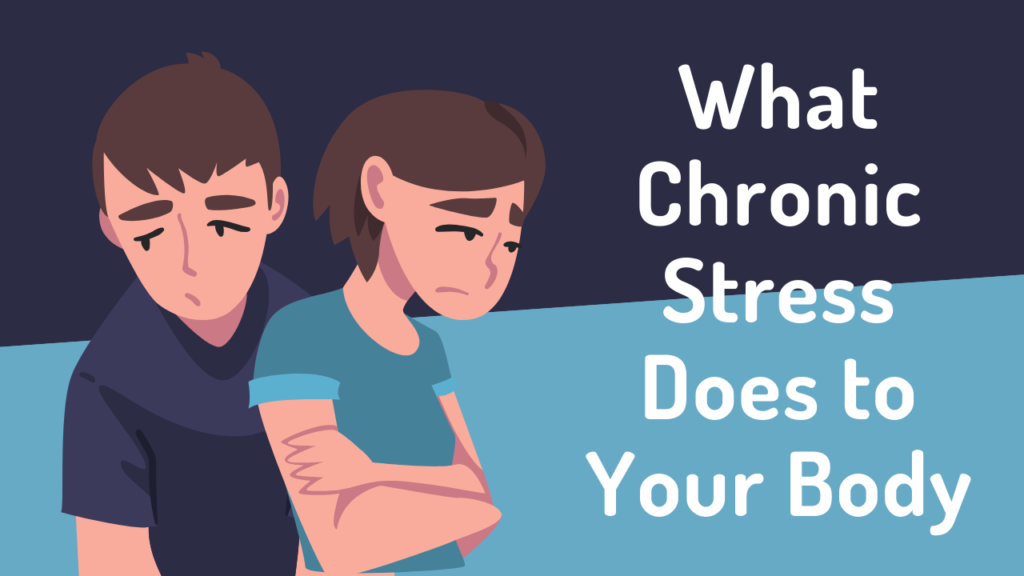
Stress is one of those experiences so woven into modern life that most people have stopped questioning whether the level they carry is normal, acceptable, or quietly doing damage. The occasional spike of acute stress — the kind that arrives before a presentation, a difficult conversation, or an unexpected crisis — is something the human body is genuinely designed to handle. It activates, responds, and returns to baseline. Chronic stress is an entirely different physiological reality. It is what happens when the activation never fully resolves, when the pressure is not episodic but continuous, and when the body’s stress response systems run at elevated levels for weeks, months, and years without adequate recovery. The consequences of that sustained activation are not abstract — they are measurable, progressive, and documented across nearly every major system in the body.
What Happens Inside the Body When Stress Becomes Chronic
The stress response is orchestrated primarily by two hormones: adrenaline and cortisol. In an acute stress situation, adrenaline produces the immediate physical changes — elevated heart rate, heightened alertness, redirected blood flow to the muscles — that prepare the body for a rapid physical response. Cortisol follows, sustaining the response and managing energy availability by releasing glucose into the bloodstream and suppressing non-essential functions like digestion and immune activity for the duration of the perceived threat.
This system is elegantly designed for short-term use. When the threat resolves, cortisol levels drop, suppressed systems resume normal function, and the body returns to equilibrium. Chronic stress disrupts this return. When cortisol remains chronically elevated — because the sources of stress are ongoing rather than episodic — the systems that cortisol suppresses remain partially shut down for extended periods. The immune system operates in a compromised state. Digestive function is impaired. Inflammatory processes that cortisol normally regulates begin operating outside their intended parameters. Over time, this sustained dysregulation produces measurable changes in cardiovascular health, metabolic function, immune response, cognitive performance, and mental health that cannot be attributed to any single event but accumulate across months and years of unresolved physiological activation.
The Organ Systems That Chronic Stress Damages Most Significantly
The cardiovascular system absorbs some of the most well-documented damage from chronic stress exposure. Chronically elevated cortisol contributes to increased blood pressure, elevated resting heart rate, and changes in how the body metabolizes fats — all of which are established risk factors for cardiovascular disease. Research has demonstrated that individuals in high-stress occupations or life circumstances show measurably higher rates of hypertension and adverse cardiac events than comparable populations with lower chronic stress loads, even after controlling for lifestyle factors like diet and exercise.
The brain is equally vulnerable and the mechanisms are increasingly well understood. Chronic cortisol elevation has been shown to reduce the volume of the hippocampus — the region central to memory formation and emotional regulation — through a process of suppressing neurogenesis and damaging existing neural tissue. This is not theoretical. Imaging studies comparing chronic stress populations with controls have produced consistent findings that connect prolonged stress exposure to measurable structural changes in brain regions critical for learning, memory, and emotional stability. The cognitive symptoms many people attribute to aging or overwork — difficulty concentrating, memory lapses, emotional reactivity — frequently have a cortisol-driven physiological basis that lifestyle changes can meaningfully address.
What the Science Actually Supports for Reversing the Damage
The research on stress reversal is considerably more actionable than the general advice to relax and slow down that most people receive. Specific interventions have demonstrated measurable effects on cortisol regulation, inflammation markers, and the structural brain changes that chronic stress produces — and the mechanisms behind those effects are understood well enough to explain why they work rather than simply observing that they do.
Exercise is the most robustly supported intervention in the research literature, and its effects on chronic stress operate through multiple pathways simultaneously. Aerobic exercise reduces baseline cortisol levels, promotes neurogenesis in the hippocampus — partially reversing the structural changes that chronic stress produces — and increases the brain’s production of BDNF, a protein that supports neural health and cognitive resilience. The research does not require intense or lengthy exercise to produce these effects. Consistent moderate activity — thirty minutes of elevated heart rate on most days — produces measurable cortisol reduction and neurological benefits that accumulate over weeks and months of regular practice.
Mindfulness-based stress reduction, which has been studied extensively in clinical populations, has demonstrated statistically significant reductions in cortisol levels, inflammatory markers, and self-reported stress symptoms across multiple randomized controlled trials. The mechanism involves changes in how the prefrontal cortex — the brain’s regulatory center — responds to perceived threats, gradually reducing the amplitude of the stress response to situations that previously triggered it disproportionately. The effect is not immediate, but it is cumulative and measurable with consistent practice over eight to twelve weeks, which is the timeframe most research protocols use.
The Lifestyle Factors That Amplify or Protect Against Chronic Stress Damage
Sleep is the recovery mechanism through which cortisol regulation is most directly maintained, and its relationship with chronic stress runs in both directions. Chronic stress disrupts sleep architecture, reducing the deep sleep phases during which cortisol levels drop to their daily lowest and restoration occurs. Disrupted sleep then elevates the baseline cortisol level that enters the following day, creating a cycle that progressively worsens both the stress response and the sleep quality that would otherwise moderate it.
Breaking that cycle requires addressing sleep as a direct physiological intervention rather than a lifestyle preference. Consistent sleep and wake times that anchor the circadian rhythm, an environment that supports temperature and light conditions conducive to deep sleep, and the elimination of stimulants and screen exposure in the hours before sleep are changes with direct cortisol implications rather than simply general wellness recommendations. Social connection has emerged in the research literature as a stress buffer with physiological mechanisms — regular positive social interaction reduces cortisol levels and inflammatory markers in ways that operate independently of other lifestyle factors, which helps explain why social isolation amplifies the health consequences of chronic stress beyond what the stress alone would produce.
Conclusion
Chronic stress is not a mindset problem that positive thinking can resolve — it is a physiological state with measurable consequences across cardiovascular, neurological, immune, and metabolic systems that accumulate progressively with time. The science is also clear that the damage is not permanent and the pathways through which it occurs are the same pathways through which it can be reversed. Consistent exercise, evidence-based mindfulness practice, sleep prioritized as a physiological necessity, and deliberate investment in social connection are not soft lifestyle suggestions — they are interventions with documented mechanisms and measurable outcomes. The body under chronic stress is not in a fixed state. It is in a state that responds, given the right inputs, with a degree of recovery that most people who have lived with chronic stress for years have never been given reason to expect.