Education has evolved rapidly in recent years, giving learners more options than ever before. Alongside traditional college degrees, online courses have emerged as a flexible and accessible way to gain knowledge and skills. With both paths offering unique advantages, many learners find themselves wondering which option truly delivers better outcomes.
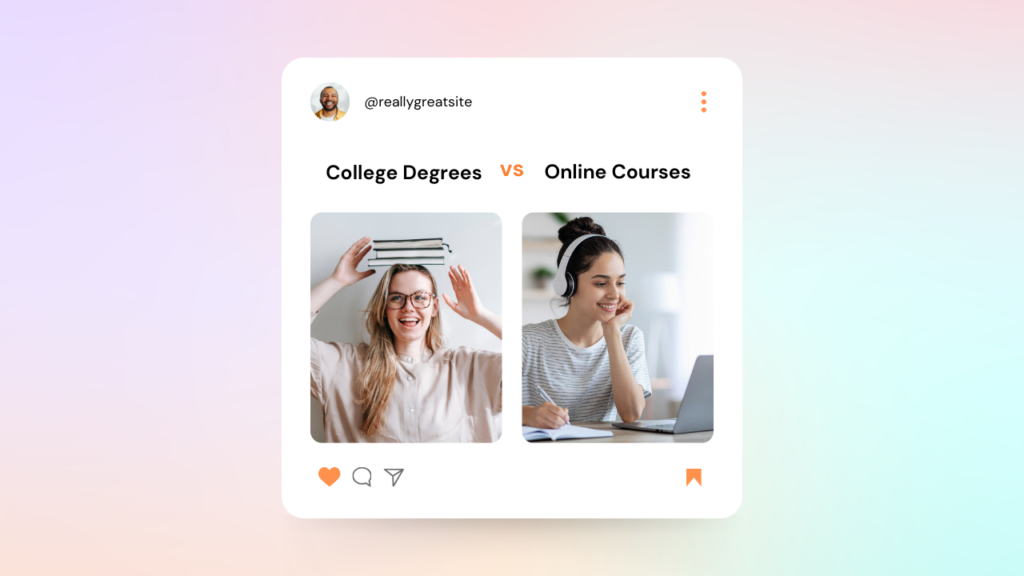
This article explores the key differences between online courses and college degrees, helping readers understand how each fits into modern learning goals and long-term planning.
Understanding the Structure of Traditional College Degrees
College degrees have long been viewed as a standard path for higher education. They typically follow a structured curriculum over several years and include assessments, projects, and formal evaluations. Degrees often cover both theoretical foundations and broader academic exposure.
Beyond academics, colleges offer experiences such as peer interaction, extracurricular activities, and access to campus resources. These elements can help students develop social skills, professional networks, and a sense of community. For many, the structured environment supports discipline and long-term learning commitment.
How Online Courses Are Changing Learning Access
Online courses have transformed how people approach education. These programs allow learners to study at their own pace, often focusing on specific skills or topics. Without the need to attend physical classes, online learning removes geographical barriers and scheduling constraints.
Many learners appreciate the ability to balance education with work or personal responsibilities. Online courses often emphasize practical, real-world applications, making them appealing to individuals seeking targeted skill development. The flexibility of this approach continues to attract a growing audience.
Comparing Cost, Time, and Flexibility
One of the biggest differences between online courses and college degrees lies in cost and time investment. College degrees usually require a significant financial and time commitment over multiple years. For some learners, this long-term structure provides depth and credibility.
Online courses generally require less upfront investment and can be completed in shorter timeframes. This makes them attractive to learners who want quick skill upgrades or who prefer to learn in stages. Flexibility allows individuals to pause, resume, or combine learning paths based on changing needs.
Career Outcomes and Skill Recognition
When evaluating outcomes, it’s important to consider career goals. College degrees are often associated with formal qualifications and may be required in certain fields. They provide a broad academic background that can support diverse career paths over time.
Online courses, on the other hand, focus on specific skills that can be applied immediately. They may complement existing education or work experience. In many industries, demonstrated skills and continuous learning are becoming just as important as formal credentials.
Choosing the Right Path for Individual Goals
There is no universal answer to which option is better. The right choice depends on learning style, career objectives, financial situation, and personal responsibilities. Some learners benefit from the structure and recognition of a degree, while others thrive with the autonomy of online learning.
In some cases, combining both approaches offers the greatest advantage. A foundational degree paired with ongoing online courses can support lifelong learning and adaptability in a changing job market.
Conclusion
Online courses and college degrees each offer distinct benefits in today’s educational landscape. Rather than competing, they serve different needs and learning preferences. By understanding the strengths of both options, learners can make informed decisions that align with their goals, timelines, and aspirations.