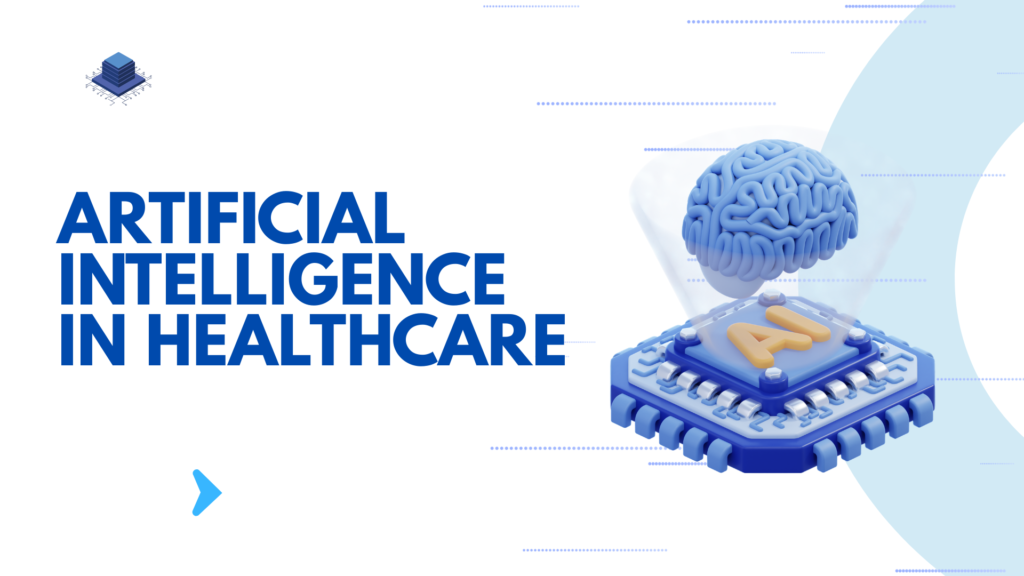
Medicine has always been a discipline built on pattern recognition. A physician examines symptoms, reviews test results, considers patient history, and matches the picture in front of them against a mental library of conditions accumulated through years of training and experience. That process has not changed. What is changing — rapidly and in ways that carry genuine consequences for every patient — is the quality and speed of the pattern recognition tool available to support it. Artificial intelligence is entering the diagnostic process not as a replacement for clinical judgment but as an augmentation of it, and the early results across multiple specialties are compelling enough that the question is no longer whether AI will have a meaningful role in medical diagnosis but how large and how central that role will become.
Where AI Diagnostic Tools Are Already Performing
The strongest early results for AI in medical diagnosis have come in fields where the diagnostic process is fundamentally visual. Radiology was among the first specialties to see meaningful AI integration, and the performance benchmarks have been striking. AI systems trained on hundreds of thousands of medical images have demonstrated the ability to detect early-stage lung nodules, breast abnormalities in mammograms, and signs of diabetic retinopathy in eye scans with accuracy that meets or exceeds that of experienced specialists — and in some studies, outperforms them on specific detection tasks.
Dermatology has followed a similar trajectory. AI models trained on large datasets of skin lesion images have shown diagnostic accuracy for certain skin cancers that rivals board-certified dermatologists, with the added advantage of consistency — the AI does not have an off day, does not experience diagnostic fatigue after reviewing hundreds of cases, and applies the same level of scrutiny to every image it processes. Pathology, cardiology, and ophthalmology have all seen early but meaningful AI integration, with tools that flag anomalies, prioritize urgent cases, and surface findings that might otherwise be caught later in the diagnostic process — or not at all.
What This Means for Patients in Practical Terms
The patient-level implications of AI-assisted diagnosis extend beyond the abstract promise of better accuracy. One of the most significant practical benefits is speed. In conditions where early detection directly affects outcomes — certain cancers, diabetic complications, cardiovascular disease — the difference between catching something at stage one versus stage three is not a clinical footnote. It is the difference between treatment options that are numerous and those that are limited. AI tools that flag suspicious findings and move them to the front of a radiologist’s review queue compress the time between imaging and diagnosis in ways that have direct survival implications for patients whose cases would otherwise have waited in a standard queue.
Access is a second major patient-level benefit that receives less attention than accuracy. Specialist shortages are a documented reality in many regions, and patients in rural or underserved areas often face significant delays in accessing the specialist expertise their diagnosis requires. AI diagnostic tools that can provide a first-pass analysis of imaging, pathology slides, or symptom patterns extend specialist-level pattern recognition into settings where the specialist is not physically present — giving patients in lower-resource environments access to a diagnostic layer that geography previously denied them.
The Limitations That Patients and Providers Need to Understand
The progress in AI diagnostics is real and the trajectory is promising, but the limitations are equally real and worth understanding clearly. AI diagnostic systems perform within the boundaries of the data they were trained on, which means their accuracy can vary significantly across patient populations that are underrepresented in those training datasets. A model trained predominantly on imaging data from one demographic group may perform less reliably when applied to patients whose presentations differ from that baseline — a bias problem with direct clinical consequences that the field is actively working to address but has not yet resolved.
AI also operates without the contextual understanding that informs clinical judgment in ways that go beyond pattern matching. A physician reviewing an abnormal finding considers the patient’s full history, their medications, their reported symptoms, their anxiety level, and a dozen other factors that shape the interpretation of a result. Current AI systems process the data they are given — they do not yet integrate the full human context that experienced clinicians bring to every diagnostic encounter. The physician remains essential not as a gatekeeper defending territory but as the integrating intelligence that places AI findings into the full picture of a patient’s life and health.
Conclusion
AI is not replacing doctors — it is giving them a more powerful tool for one of the most consequential tasks they perform. The diagnostic gains already demonstrated in radiology, dermatology, and pathology represent a genuine expansion of what is detectable, how quickly it is caught, and how consistently the detection process performs across a high volume of cases. For patients, this translates into earlier detection, faster results, and potentially broader access to specialist-level diagnostic support. The technology is advancing faster than the regulatory and integration frameworks around it, which means the coming years will require as much careful judgment about how AI is deployed in medicine as the AI itself applies to the images and data it reviews.