Education is no longer limited to classrooms or traditional academic paths. Digital platforms, flexible learning formats, and skill-based education have changed how people approach personal and professional growth. Today, learning is often continuous, self-directed, and closely tied to real-world outcomes. Understanding how to navigate modern education options helps learners make informed decisions that align with their goals.
How Learning Has Changed in Recent Years
The rise of digital learning has expanded access to education worldwide. Online courses, virtual classrooms, and self-paced programs allow individuals to learn from almost anywhere. This flexibility has made education more inclusive and adaptable to different lifestyles.
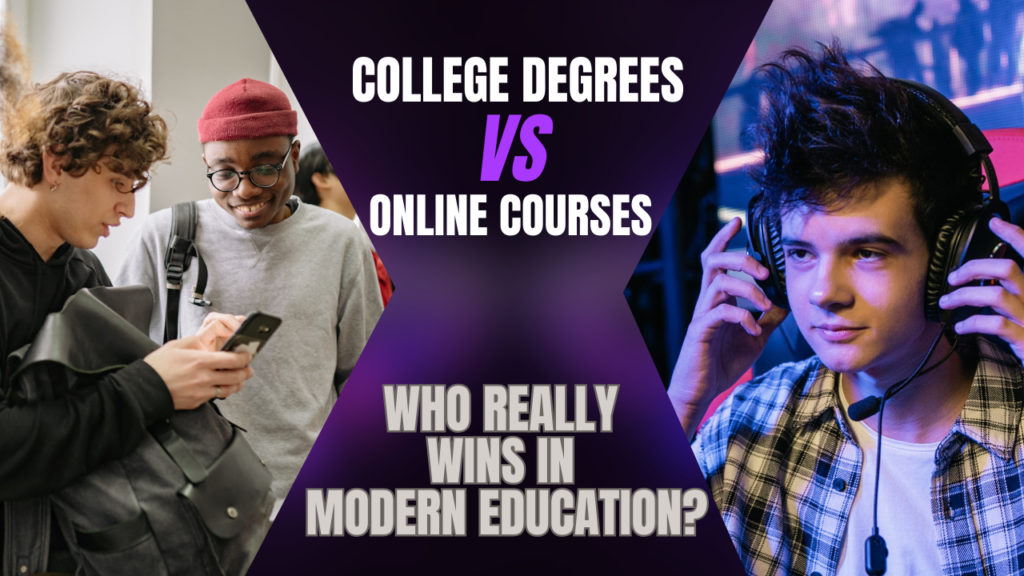
Traditional degrees still hold value, but many learners now combine formal education with online certifications, short courses, and independent study. This blended approach allows people to update their skills without pausing their careers or personal responsibilities.
Popular Online Learning Paths and Platforms
Online education offers a wide range of subjects, from technical skills to creative and personal development topics. Many platforms focus on practical learning, emphasizing real-world application rather than theory alone. These programs often include video lessons, interactive assignments, and community support.
Learners may choose courses based on career advancement, skill enhancement, or personal interest. Selecting reputable platforms and clearly defined learning objectives helps ensure time and effort are invested wisely.
Developing Skills for Long-Term Growth
In a rapidly changing world, learning how to learn is just as important as mastering specific subjects. Skills such as critical thinking, communication, digital literacy, and adaptability remain valuable across industries. Education that supports problem-solving and independent thinking prepares learners for a variety of future opportunities.
Short-term learning goals, like mastering a new tool, can complement long-term development strategies focused on career resilience and lifelong curiosity.
Balancing Education With Everyday Life
One of the biggest challenges learners face is balancing education with work, family, and personal commitments. Flexible learning formats make it easier to fit education into daily routines, but consistency and time management remain essential.
Creating a structured schedule, setting realistic goals, and tracking progress can help learners stay motivated. Education becomes more effective when it supports daily life rather than overwhelming it.
Making Informed Education Choices
With so many options available, it’s important to evaluate educational programs carefully. Factors such as credibility, learning outcomes, cost, and time commitment all play a role. Avoiding rushed decisions and focusing on quality over quantity leads to better results.
Learning is most effective when it aligns with personal goals, interests, and long-term plans rather than following trends alone.
Conclusion
Education and learning continue to evolve beyond traditional boundaries. By exploring digital learning options, focusing on practical skills, and making thoughtful choices, individuals can build knowledge that supports both personal growth and future opportunities. Informed learning decisions create lasting value in an ever-changing world.