Health & Wellness

General informational content related to health topics, wellness practices, and healthcare resources. Content is intended for informational purposes only.

The Truth About Sunscreen
Health & Wellness

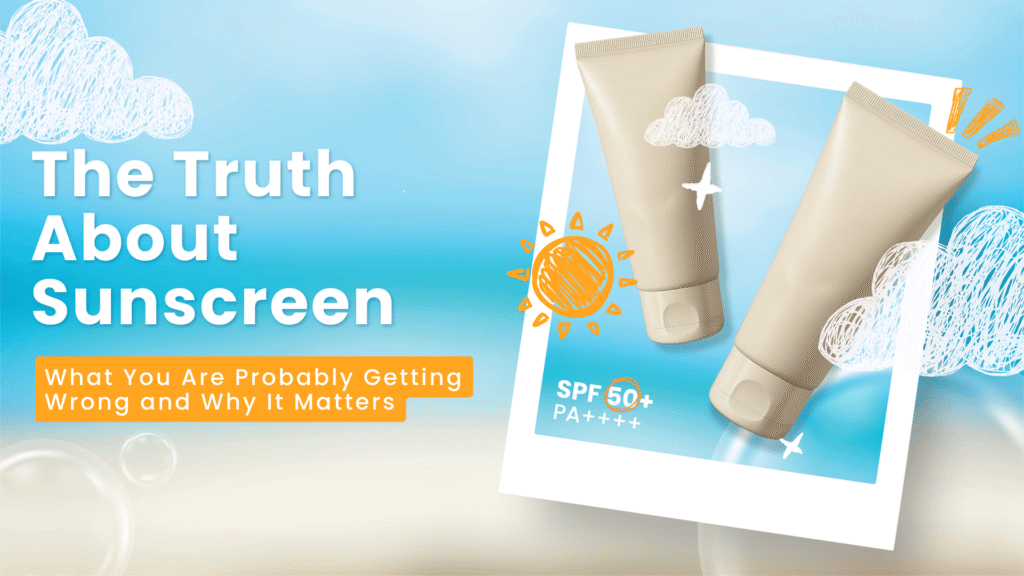
The Truth About Sunscreen: What You Are Probably Getting Wrong and Why It Matters

The most consequential sunscreen mistake is not choosing the wrong SPF but applying far less than the quantity required to achieve it — research showing that applying half the recommended amount of an SPF 50 sunscreen produces an effective SPF of approximately 7 illustrates how dramatically insufficient application undermines labeled protection. SPF measures UVB blocking only, making broad-spectrum labeling the essential complement to the number rather than an optional specification. Reapplication at two-hour intervals during sun exposure maintains protection that UV exposure, perspiration, and time progressively degrade. Correcting these application behaviors produces substantively better protection from the same product, without requiring any change to the sunscreen being used.

The Truth About Sunscreen: What You Are Probably Getting Wrong and Why It Matters Read Post »
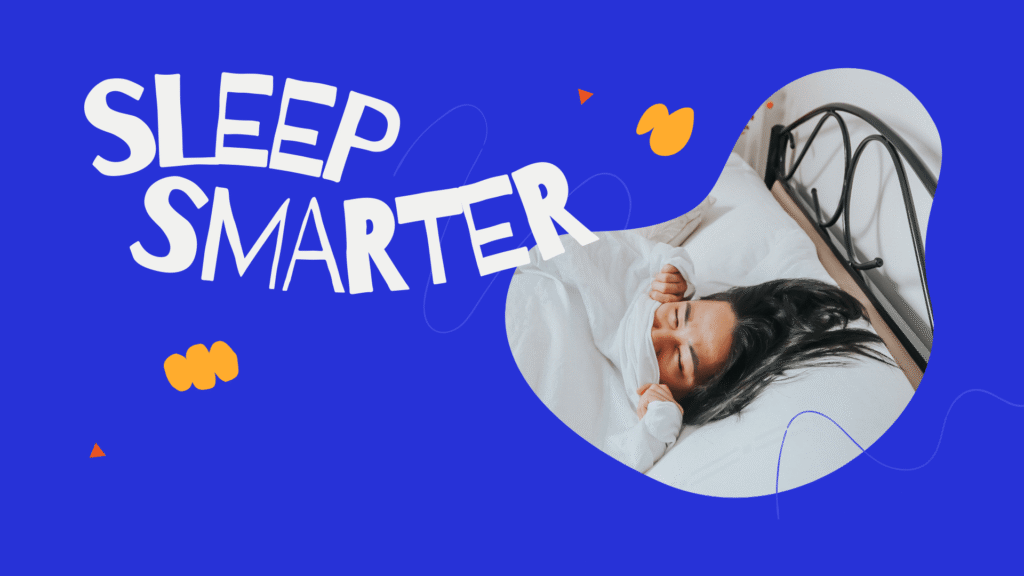
Why Sleep Is the Most Underrated Performance Variable in Your Health
Health & Wellness

Why Sleep Is the Most Underrated Performance Variable in Your Health

Sleep performs active biological functions — glymphatic waste clearance, memory consolidation, immune regulation, and metabolic maintenance — that no other state replicates and that accumulate in deficit when sleep is chronically insufficient. The cognitive performance degradation that sleep restriction produces is both larger than most people appreciate and largely invisible to the sleep-deprived individual whose subjective sense of adaptation does not reflect the objective impairment that measurement reveals. The physical health consequences extend to cardiovascular disease risk, metabolic dysfunction, and immune impairment that population research has documented at a magnitude that makes sleep optimization one of the highest-return health behaviors available — and one of the most consistently underinvested in by a culture that has treated its sacrifice as evidence of productive commitment.

Why Sleep Is the Most Underrated Performance Variable in Your Health Read Post »

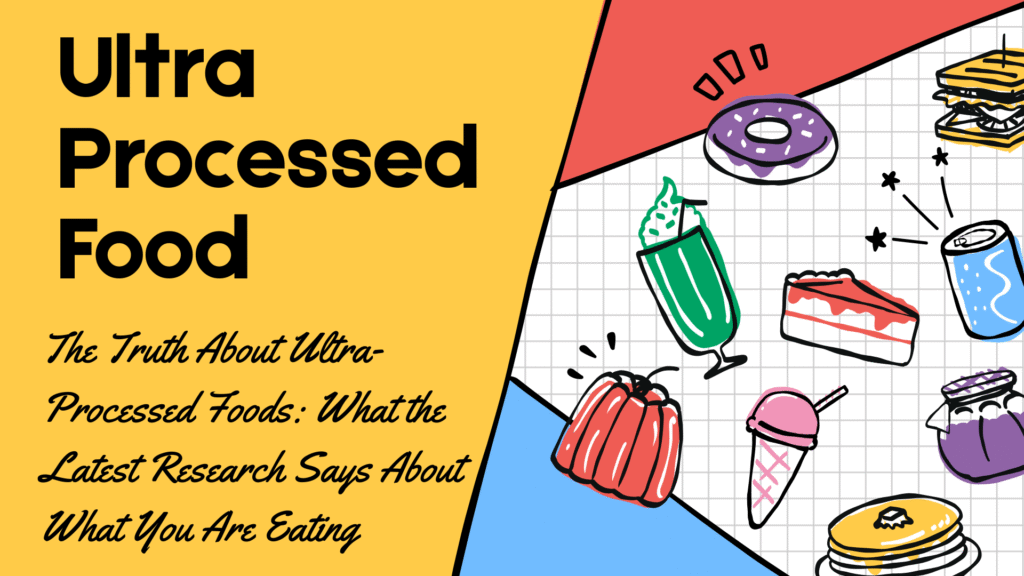
The Truth About Ultra-Processed Foods What the Latest Research Says About What You Are Eating
Health & Wellness

The Truth About Ultra-Processed Foods: What the Latest Research Says About What You Are Eating

Ultra-processed foods — industrial formulations distinguished by the NOVA classification system not by their nutrient content but by their degree of processing and additive composition — have been associated with cardiovascular disease, cancer, type 2 diabetes, and all-cause mortality in large cohort studies across multiple countries, and an NIH randomized controlled trial demonstrated that they drive approximately 500 calories per day of excess consumption beyond what nutrient-matched minimally processed diets produce. The mechanisms include palatability engineering that disrupts normal satiety signaling, rapid consumption that outpaces satiety hormone response, and gut microbiome disruption from emulsifiers and artificial additives. The practical implication is a directional shift toward minimally processed foods rather than a specific dietary prescription — and an honest engagement with a food environment that has been engineered to make the less healthy choice the default one.

The Truth About Ultra-Processed Foods: What the Latest Research Says About What You Are Eating Read Post »

Why Strength Training Is the Most Important Exercise You Are Probably Not Doing Enough Of
Health & Wellness

Why Strength Training Is the Most Important Exercise You Are Probably Not Doing Enough Of

Strength training’s role in long-term health has been established by research connecting muscle mass and strength to longevity outcomes, metabolic function, fall prevention, and physiological resilience in ways that cardiovascular exercise alone cannot replicate. Sarcopenia — the progressive muscle loss that begins in the fourth decade — drives metabolic deterioration and functional decline that strength training specifically reverses, and grip strength has emerged as one of the strongest predictors of all-cause mortality in large longitudinal studies. The majority of adults are doing far less strength training than the evidence supports as optimal, and the barriers to beginning — intimidation, knowledge gaps, and infrastructure access — are surmountable with a lower practical threshold than the modality’s reputation suggests.

Why Strength Training Is the Most Important Exercise You Are Probably Not Doing Enough Of Read Post »

Gut Protection
Health & Wellness

The Truth About Gut Health: What the Science Actually Says About Your Microbiome

The science of the gut microbiome has established genuinely significant findings about its influence on immune function, metabolic health, and neurological signaling — findings substantial enough to warrant serious attention and insufficient to support the specific product claims the gut health industry has built on their foundation. Probiotic supplements have not demonstrated reliable benefit for healthy adults in clinical research at the level their marketing implies. Dietary fiber diversity and fermented food inclusion are the evidence-based dietary practices that the research most consistently supports. The microbiome matters — and the evidence for supporting it points toward food rather than supplements.

The Truth About Gut Health: What the Science Actually Says About Your Microbiome Read Post »

The Science of Longevity
Health & Wellness

The Science of Longevity: What the Longest-Living Populations Actually Do Differently

The longest-living populations in the world share a set of lifestyle characteristics that are more consistent across their cultural differences than the specific practices that distinguish them — incidental daily movement embedded in how life is structured, plant-heavy diets with legumes as a central protein source, practiced caloric moderation, sustained social integration across the lifespan, and a culturally supported sense of purpose that provides meaning without requiring individual construction. The evidence from Blue Zone research is more robust than most longevity intervention studies precisely because it reflects what populations have been doing across generations rather than what individuals have been prescribed for months. The findings are actionable — but they point toward structural life design rather than supplemental interventions.

The Science of Longevity: What the Longest-Living Populations Actually Do Differently Read Post »

Weight Loss
Health & Wellness

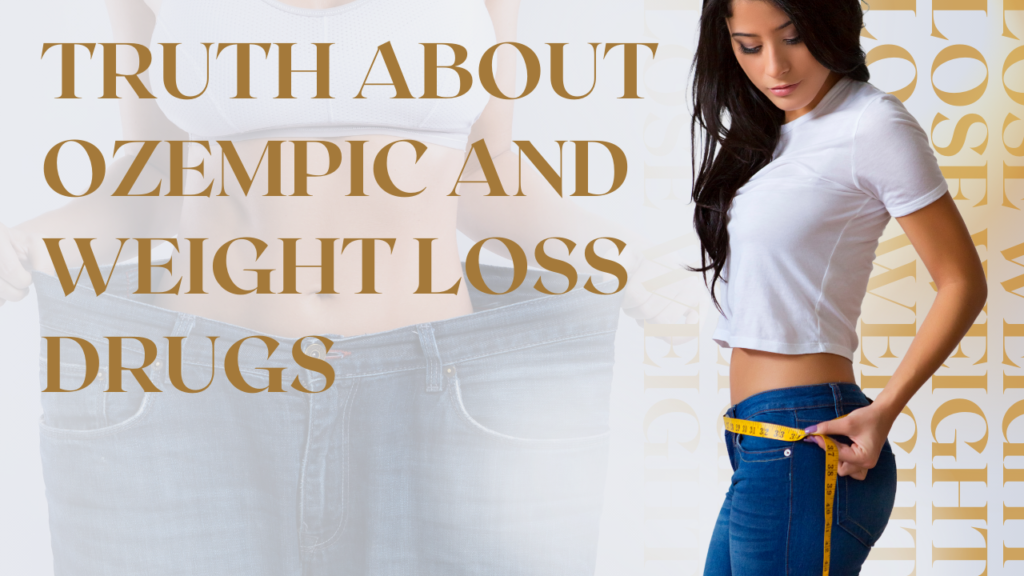
The Truth About Ozempic and Weight Loss Drugs: What the Science Says Beyond the Hype

GLP-1 receptor agonists like semaglutide and tirzepatide have produced clinical trial results that represent a genuine advance in obesity pharmacotherapy — with average weight loss figures and cardiovascular outcome data that exceed any previous pharmacological intervention in the field. The limitations are equally real: significant gastrointestinal side effects, lean mass loss that requires active mitigation, and weight regain following discontinuation that suggests chronic use is required for sustained benefit. The medications work, they carry meaningful risks, and using them well requires the clinical context that the cultural conversation around them consistently fails to provide.

The Truth About Ozempic and Weight Loss Drugs: What the Science Says Beyond the Hype Read Post »

Ice Bath Benefits
Health & Wellness

The Science Behind Cold Plunges and Ice Baths: What Actually Happens to Your Body

Cold water immersion produces a well-documented sequence of physiological responses — cold shock, vasoconstriction, adrenaline and dopamine release — that translate into real benefits for athletic recovery and short-term mood elevation. The evidence supporting these specific outcomes is credible and growing. The broader claims that have attached themselves to cold plunge culture — metabolic transformation, immune fortification, clinical mental health treatment — are significantly ahead of the research base that would be required to support them. Understanding what cold exposure genuinely does, and what it does not yet have adequate evidence for, is what separates a practice grounded in science from one dressed in its language.

The Science Behind Cold Plunges and Ice Baths: What Actually Happens to Your Body Read Post »

Chronic Stress
Health & Wellness

What Chronic Stress Does to Your Body Over Time (And the Science-Backed Ways to Reverse It)

Chronic stress does not just feel bad — it produces measurable, progressive damage to the cardiovascular system, brain structure, immune function, and metabolic regulation through the sustained action of elevated cortisol on systems designed for short-term activation only. The research on reversing that damage is equally clear: consistent aerobic exercise, mindfulness-based practice, sleep treated as a physiological priority, and regular social connection all demonstrate documented effects on cortisol regulation and the biological markers of chronic stress damage. The consequences of sustained stress are real and serious — and so is the body’s capacity to recover from them when given the conditions to do so.

What Chronic Stress Does to Your Body Over Time (And the Science-Backed Ways to Reverse It) Read Post »

Seed Oil
Health & Wellness

The Truth About Seed Oils: What the Science Actually Says About Your Cooking Oil

The debate over seed oils sits at the intersection of legitimate nutritional science and significant overclaiming on both sides. Real concerns exist around omega-6 to omega-3 imbalance and the oxidative stability of polyunsaturated fats under heat — and those concerns deserve honest engagement rather than dismissal. But the evidence does not support the wholesale vilification that seed oils receive in certain health communities either. A practical middle path — favoring more stable oils for high-heat cooking, reducing processed food consumption, and improving omega-3 intake — addresses the legitimate concerns without requiring certainty that the science does not yet provide.

The Truth About Seed Oils: What the Science Actually Says About Your Cooking Oil Read Post »

Scroll to Top