
Health & Wellness

General informational content related to health topics, wellness practices, and healthcare resources. Content is intended for informational purposes only.

What Science Says About the Best Diet for Long-Term Weight Loss
Health & Wellness

What Science Says About the Best Diet for Long-Term Weight Loss

Weight loss research consistently finds that comparable caloric deficits produce comparable weight loss regardless of whether the dietary approach is low-carbohydrate, Mediterranean, intermittent fasting, or low-fat — the question is which approach the individual can sustain. The Mediterranean diet has the strongest long-term health outcome evidence. National Weight Control Registry data shows successful maintainers average approximately one hour of daily moderate activity and maintain continuous dietary monitoring rather than discontinuing both when active weight loss ends. Food environment modification reduces willpower dependence more effectively than dietary rules alone.

What Science Says About the Best Diet for Long-Term Weight Loss Read Post »
How to Sleep Better
Health & Wellness

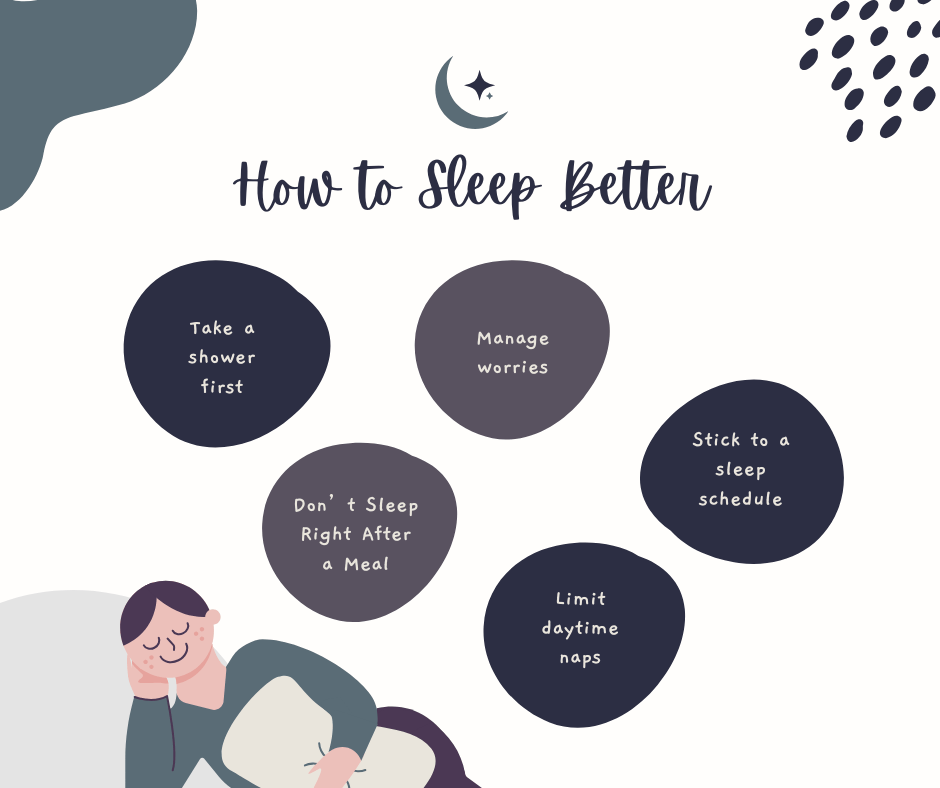
How to Sleep Better: What the Research Says About Getting Quality Rest

Sleep quality is governed by the circadian rhythm whose consistent wake time and morning light exposure most effectively stabilize, and the sleep pressure system whose adenosine accumulation caffeine after noon and late napping most commonly deplete before bedtime. Stimulus control — restricting bed use to sleep only — produces conditioned sleepiness associations whose research support for chronic insomnia equals pharmacological interventions without tolerance development. Melatonin’s evidence supports 0.5 to 1 mg for circadian phase shifting rather than the 5 to 10 mg general sleep supplement doses that most commercial products provide.

How to Sleep Better: What the Research Says About Getting Quality Rest Read Post »

How to Manage Stress
Health & Wellness

How to Manage Stress: What the Research Says Actually Works

Stress management is one of the most researched topics in behavioral health and one of the most poorly practiced — not because the interventions that work are obscure or complicated but because the gap between what the research supports and what people actually do when stressed is wide enough to explain why stress-related health consequences

How to Manage Stress: What the Research Says Actually Works Read Post »

How to Improve Your Gut Health
Health & Wellness

How to Improve Your Gut Health: What the Research Actually Supports

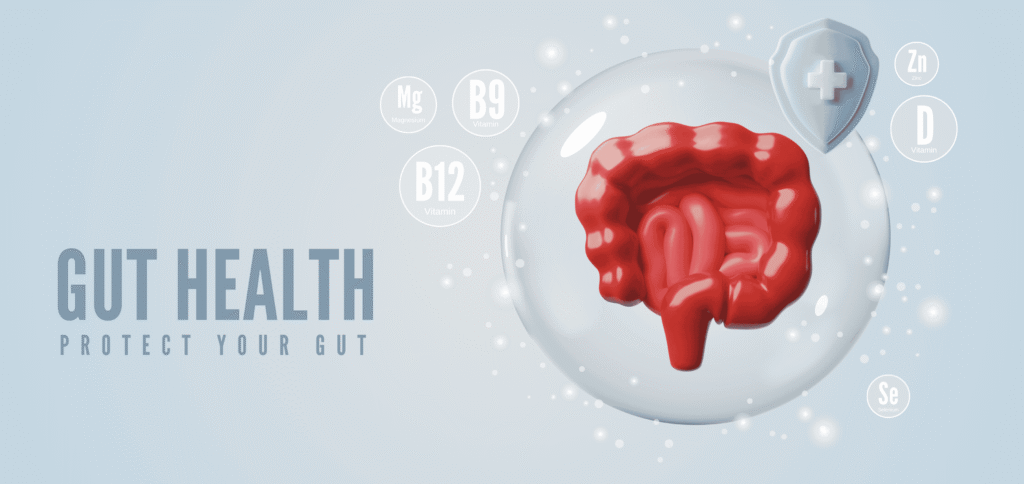
Gut health research most consistently supports dietary fiber from 30 or more diverse plant foods weekly and regular fermented foods with live cultures — yogurt, kefir, kimchi, and refrigerated sauerkraut — as the interventions with the strongest microbiome diversity evidence. A 2021 Cell study found fermented food intervention produced greater microbiome diversity increases than high-fiber intervention over ten weeks. Probiotic supplements have specific clinical evidence for antibiotic-associated diarrhea and IBS but lack consistent research support for general gut health improvement in healthy adults.

How to Improve Your Gut Health: What the Research Actually Supports Read Post »

What Is Strength Training and Why Everyone Should Be Doing It
Health & Wellness

What Is Strength Training and Why Everyone Should Be Doing It

Strength training has the most comprehensive health evidence base of any exercise modality — reducing cardiovascular risk, improving insulin sensitivity, increasing bone density, and producing cognitive benefits including improved executive function and memory. Grip strength is one of the strongest predictors of all-cause mortality in large population studies. The misconception that resistance training produces bulk prevents many women from accessing benefits that their hormonal environment makes physiologically unavailable — women training naturally develop strength and leanness, not bulk.

What Is Strength Training and Why Everyone Should Be Doing It Read Post »

Exercise
Health & Wellness

How to Start Exercising When You’ve Been Sedentary: A Realistic Guide

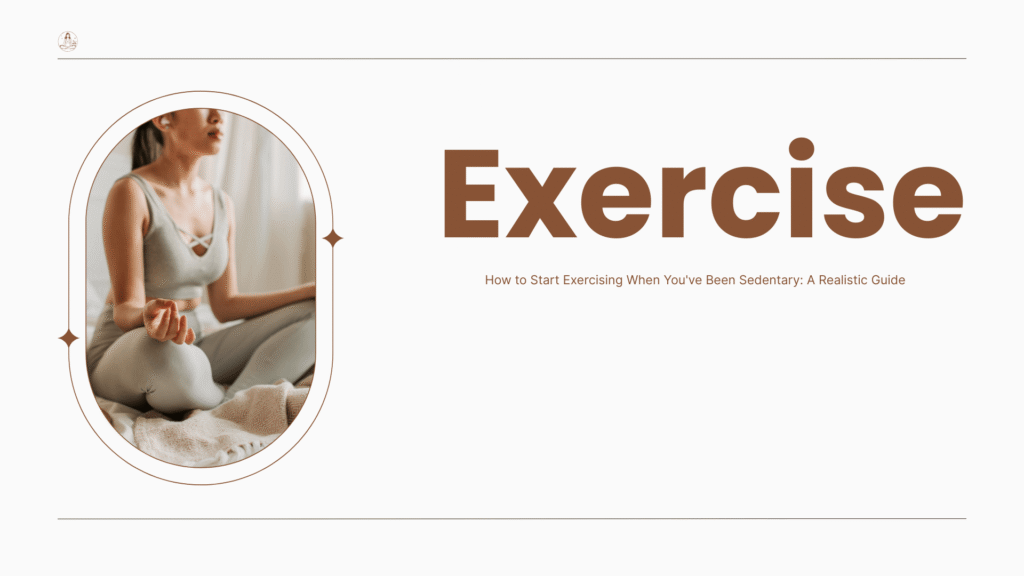
Starting exercise after a sedentary period requires building behavioral infrastructure before physical conditioning — beginning with 15 to 20 minute walks tied to a daily anchor event produces the consistency that ambitious starting points reliably undermine. Bodyweight strength training three times per week removes the gym barrier while building the movement patterns that resistance training develops. Understanding delayed onset muscle soreness as evidence of adaptation rather than injury prevents the early abandonment that misinterpreted discomfort produces.

How to Start Exercising When You’ve Been Sedentary: A Realistic Guide Read Post »

How Much Protein Do You Actually Need
Health & Wellness

How Much Protein Do You Actually Need? What the Research Says

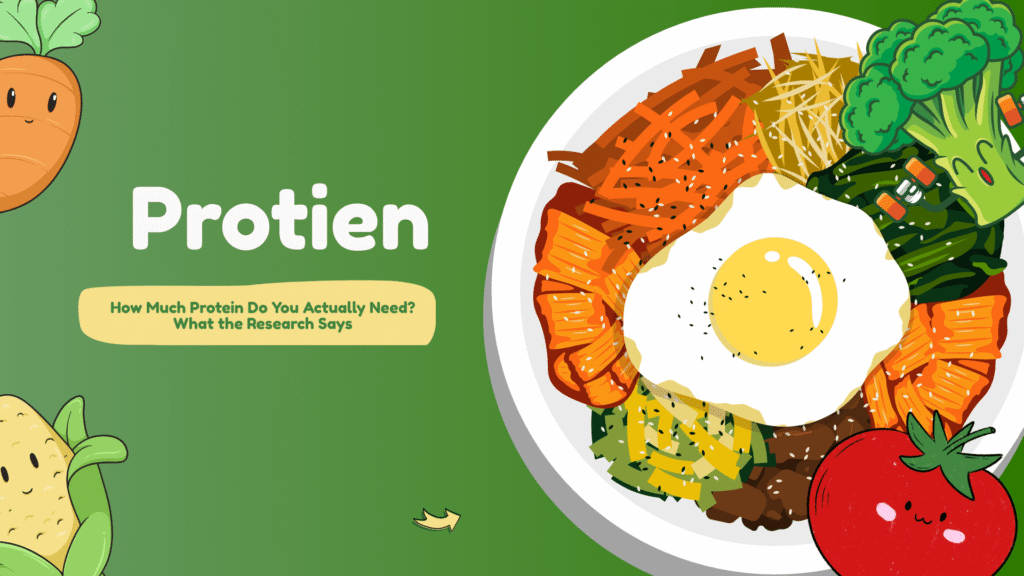
The official protein RDA of 0.8 grams per kilogram is a deficiency-prevention minimum, not an optimal intake — research supports 1.2 to 2.2 grams per kilogram depending on age, activity level, and goals. Older adults and resistance training individuals need the higher end of this range. Distributing protein across three to four daily meals produces better muscle protein synthesis than the same total intake in fewer larger servings.

How Much Protein Do You Actually Need? What the Research Says Read Post »

What Is the Mediterranean Diet
Health & Wellness

What Is the Mediterranean Diet and Why Do Doctors Keep Recommending It

The Mediterranean diet has sustained medical recommendation longer than any dietary pattern because its research base — including the landmark PREDIMED trial showing significant cardiovascular event reduction — has survived decades of scientific scrutiny better than alternatives. Its core components of olive oil, fatty fish, legumes, and abundant plant foods carry the strongest individual evidence. Practical adoption through sequential substitution rather than radical overhaul produces the dietary shift the research supports.

What Is the Mediterranean Diet and Why Do Doctors Keep Recommending It Read Post »

How to Lower Cholesterol Naturally
Health & Wellness

How to Lower Cholesterol Naturally: What the Research Actually Supports

The most research-supported natural ways to lower cholesterol are soluble fiber from oats and legumes, plant sterols from fortified foods, replacing saturated fat with polyunsaturated alternatives, regular aerobic exercise, and weight management. These interventions work through specific documented mechanisms and produce measurable LDL reductions. Popular supplements like coconut oil lack comparable evidence and in some cases raise LDL rather than lower it.

How to Lower Cholesterol Naturally: What the Research Actually Supports Read Post »

What Is Intermittent Fasting and Does It Actually Work
Health & Wellness

What Is Intermittent Fasting and Does It Actually Work?

Intermittent fasting works for weight loss and insulin sensitivity improvement with a research base substantial enough to distinguish it from nutrition trends. Its primary advantage is behavioral — time-based eating rules are easier to maintain than continuous calorie counting for many people. Direct comparisons with calorie restriction show comparable outcomes when calories are equated, suggesting adherence rather than metabolic magic drives most of its benefits.

What Is Intermittent Fasting and Does It Actually Work? Read Post »

Scroll to Top