
Automotive

Informational articles about cars, trucks, auctions, vehicle ownership, and automotive-related topics.

Why the Used Car Market Has Finally Cooled
Automotive

Why the Used Car Market Has Finally Cooled (And What It Means for Buyers Right Now)

The used car market has normalized from its pandemic-era extremes as new vehicle production recovered from semiconductor shortages, used vehicle inventory rebuilt through lease returns and rental fleet sales, and the demand pressure that had pushed used prices above new vehicle prices in some segments dissipated with restored supply. Negotiating leverage, comparison shopping viability, and prices closer to historical depreciation curves have returned to most market segments — with the used EV segment offering particularly strong value as manufacturer price reductions and depreciation have produced acquisition costs that the available federal tax credit on qualifying used EVs further improves. Elevated auto loan rates represent the current market’s primary counterweight to improved vehicle prices for financing buyers, making total cost of ownership the relevant calculation rather than sticker price alone.

Why the Used Car Market Has Finally Cooled (And What It Means for Buyers Right Now) Read Post »

Why Diesel Trucks Are Still Dominating the Work Vehicle Market
Automotive

Why Diesel Trucks Are Still Dominating the Work Vehicle Market (And Whether That Is About to Change)

Diesel continues to dominate work vehicle applications because its torque delivery, energy density, refueling speed, and infrastructure ubiquity represent genuine engineering advantages in commercial, agricultural, and construction contexts where electric alternatives face real constraints rather than merely perceptual resistance. The transition already underway in light-duty commercial fleets with predictable routes and depot charging capability will accelerate — but heavy-duty commercial applications where range, payload, towing capacity, and remote operation requirements align most decisively with diesel’s strengths face a transition timeline that infrastructure and battery technology constraints make longer and less certain than the general electrification narrative suggests.

Why Diesel Trucks Are Still Dominating the Work Vehicle Market (And Whether That Is About to Change) Read Post »

Why Buying a Used Electric Vehicle Is Becoming a Smarter Decision Every Year
Automotive

Why Buying a Used Electric Vehicle Is Becoming a Smarter Decision Every Year

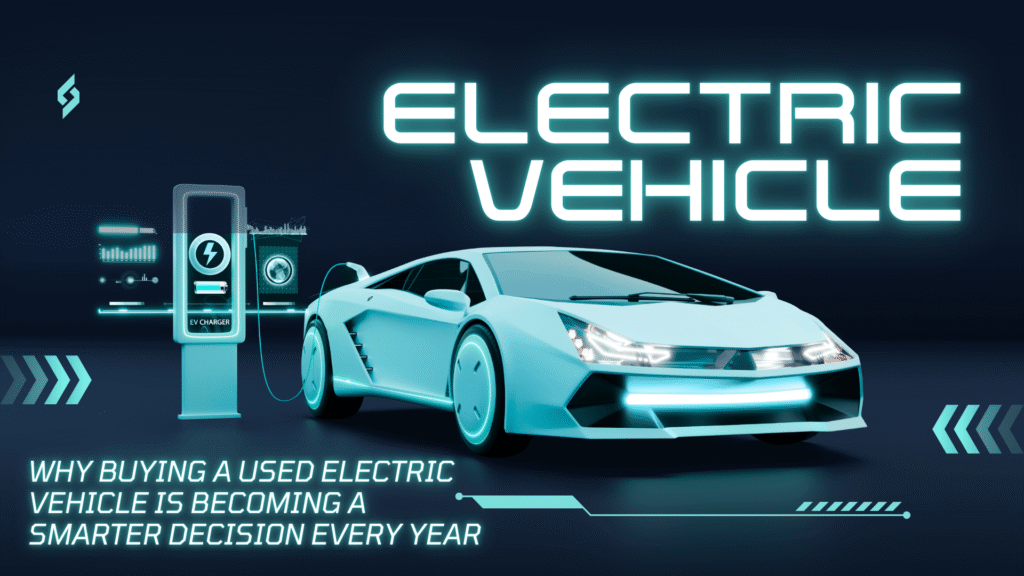
The used electric vehicle market has reached a convergence of favorable conditions — aggressive depreciation on late-model vehicles, federal tax credits now extended to used EV purchases, accumulated battery degradation data that produces more reassuring real-world outcomes than theoretical projections suggested, and charging infrastructure mature enough to support practical ownership — that makes the financial case for used over new stronger than it has ever been. Informed model selection, battery health assessment before purchase, and an accurate accounting of charging access are the preparation steps that convert a generally favorable market condition into a specifically sound individual purchase decision.

Why Buying a Used Electric Vehicle Is Becoming a Smarter Decision Every Year Read Post »

Why Electric Vehicle Charging Networks Are Finally Getting Serious
Automotive

Why Electric Vehicle Charging Networks Are Finally Getting Serious (And What Still Needs to Change)

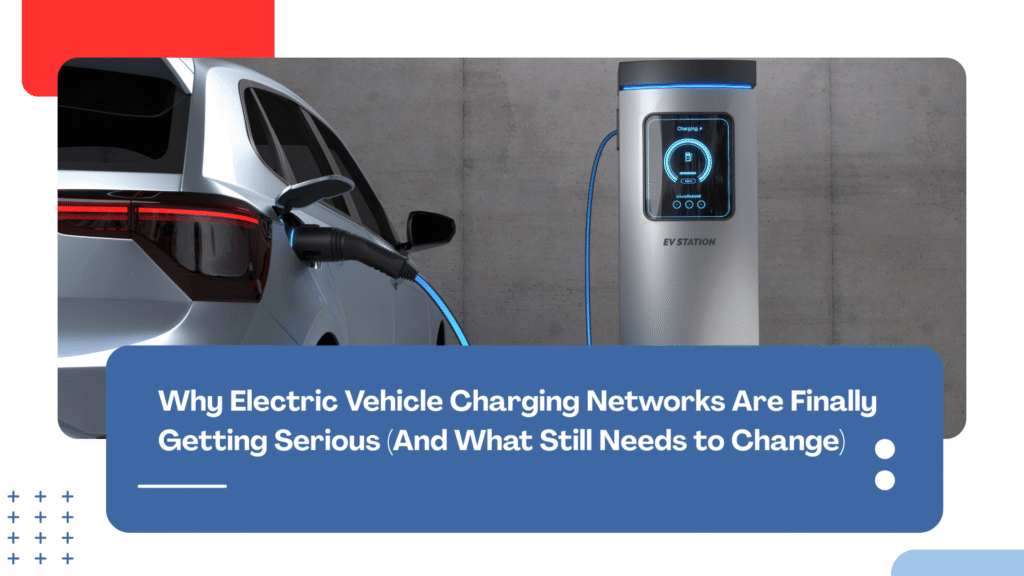
Electric vehicle charging networks have undergone genuine improvement — Tesla’s Supercharger network opening to non-Tesla vehicles and the NACS connector standardization have addressed the compatibility fragmentation that limited the best network to one manufacturer’s drivers, while federal infrastructure investment has begun closing geographic coverage gaps. The challenges that remain are less about quantity than quality: reliability rates at non-Tesla chargers that fall well below acceptable infrastructure standards, urban charging access gaps that make the home charging assumption fail for apartment dwellers and renters, and user experience friction that seamless infrastructure should not impose. The network is improving at a pace that warrants updated assessment — and demands continued pressure on the gaps that improvement has not yet reached.

Why Electric Vehicle Charging Networks Are Finally Getting Serious (And What Still Needs to Change) Read Post »

Car Insurance
Automotive

Why Car Insurance Rates Are Climbing and What You Can Actually Do About It

Car insurance premiums have risen due to structural increases in vehicle repair costs, medical claim expenses, and reinsurance pricing that affect the entire market — but individual drivers have more control over what they pay than the industry-wide narrative suggests. An accurate driving record, an updated credit profile, active comparison shopping across competing insurers, and coverage decisions deliberately matched to current vehicle values and financial circumstances are the practical levers that produce meaningful savings within a market where passive renewal consistently costs more than informed engagement.

Why Car Insurance Rates Are Climbing and What You Can Actually Do About It Read Post »

Car Subscription
Automotive

Why Car Subscription Services Are Growing (And Whether They Make Financial Sense)

Car subscription services bundle vehicle access, insurance, maintenance, and registration into flexible monthly arrangements that address real friction points in traditional vehicle acquisition — particularly for drivers in transitional circumstances, temporary relocations, or situations where conventional leasing’s commitment length creates genuine risk. For the majority of drivers with stable, predictable transportation needs, the flexibility premium embedded in subscription pricing produces a monthly cost that conventional leasing or purchasing with separate insurance consistently undercuts. The decision comes down to whether the flexibility is something you will actually use — because you will pay for it either way.

Why Car Subscription Services Are Growing (And Whether They Make Financial Sense) Read Post »

Electric Vehicle Ownership
Automotive

The Hidden Costs of Electric Vehicle Ownership Nobody Talks About Before You Buy

The financial case for electric vehicles is genuinely compelling for buyers whose circumstances match the assumptions it rests on — but those assumptions deserve scrutiny before they are accepted as universally applicable. Home charging infrastructure costs, higher insurance premiums, accelerated tire wear on heavier and higher-torque vehicles, and public charging costs that narrow the fuel savings advantage for drivers without reliable home charging are the expenses that standard EV cost comparisons consistently underweight. Understanding the complete cost picture specific to your driving situation and home infrastructure is the due diligence that turns a general case into an informed personal one.

The Hidden Costs of Electric Vehicle Ownership Nobody Talks About Before You Buy Read Post »

Hydrogen Car
Automotive

Why Hydrogen Fuel Cell Vehicles Didn’t Die

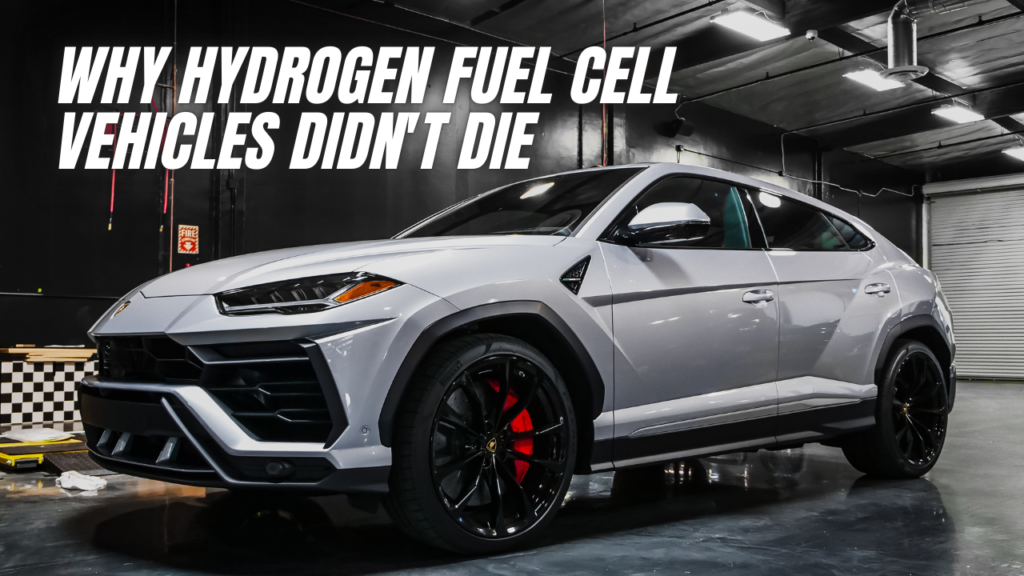
Hydrogen fuel cell vehicles never disappeared — they retreated from the consumer passenger car segment where battery electric vehicles hold genuine advantages and concentrated in the commercial and heavy transport domains where hydrogen’s refueling speed and weight efficiency matter most. The technology’s architecture produces a fundamentally different operational profile than battery electric, and in applications where vehicle mass, payload capacity, and refueling turnaround time are commercially significant, that profile remains competitive in ways that passenger car comparisons consistently obscure. The debate between hydrogen and electric was never going to produce a single winner across all applications — and the evidence increasingly supports that conclusion.

Why Hydrogen Fuel Cell Vehicles Didn’t Die Read Post »

Extend the Life of Your Car
Automotive

How to Extend the Life of Your Car to 200,000 Miles Without Spending a Fortune

Reaching 200,000 miles on a single vehicle is less about the car and more about the owner. Consistent oil changes at the right interval, cooling system maintenance that prevents the most expensive surprise failures, tire and brake care that avoids cascading damage, and driving habits that reduce mechanical stress are the inputs that reliably produce high-mileage vehicles. None of it requires significant spending — it requires consistency, attention, and the understanding that a vehicle maintained proactively will always cost less to own than one maintained reactively after something has already gone wrong.

How to Extend the Life of Your Car to 200,000 Miles Without Spending a Fortune Read Post »

Used Cars
Automotive

What to Actually Check Before Buying a Used Car (Most People Skip Half of This List)

Most used car buyers rely on a test drive and a general impression to make one of the larger financial decisions in their year. The checks that actually protect a buyer — a vehicle history report that reveals past accidents and title issues, an independent mechanical inspection that examines what sits underneath the car, a body panel walkthrough that identifies past repair work, and a test drive focused on specific mechanical signals — are skipped more often than they are completed. The cost of doing them is modest. The cost of skipping them can follow you for years.

What to Actually Check Before Buying a Used Car (Most People Skip Half of This List) Read Post »

Scroll to Top