Automotive

Informational articles about cars, trucks, auctions, vehicle ownership, and automotive-related topics.

Everything You Need to Know Before Buying Your First Electric Vehicle
Automotive

Everything You Need to Know Before Buying Your First Electric Vehicle

The federal clean vehicle tax credit of up to $7,500 applies to qualifying EVs and buyers meeting income and vehicle price limits — verification before purchase prevents discovering ineligibility at tax filing. Daily driving adequacy is rarely a concern since average Americans drive 37 miles daily against 200-plus mile EV ranges, but road trip planning requires evaluating DC fast charging speed in kilowatts rather than range alone. Level 2 home charging installation costs $500 to $1,500 after the 30 percent federal equipment tax credit — sufficient for most buyers whose daily mileage exceeds Level 1 charging capacity.

Everything You Need to Know Before Buying Your First Electric Vehicle Read Post »

How to Lower Your Car Insurance Rate
Automotive

How to Lower Your Car Insurance Rate: What Actually Moves the Needle

Car insurance rates vary 30 to 50 percent across insurers for identical coverage — annual comparison through tools like The Zebra or Insurify is the highest-impact rate reduction action most drivers take too infrequently. Dropping collision and comprehensive coverage when annual premium exceeds 10 percent of vehicle value and raising deductibles from $250 to $1,000 produces 15 to 30 percent coverage cost reduction. Credit score improvement translates to 30 to 50 percent premium difference in the 47 states permitting credit-based insurance scoring. Telematics enrollment produces 10 to 30 percent discounts for verified safe drivers.

How to Lower Your Car Insurance Rate: What Actually Moves the Needle Read Post »

What to Know About Electric Vehicle Charging
Automotive

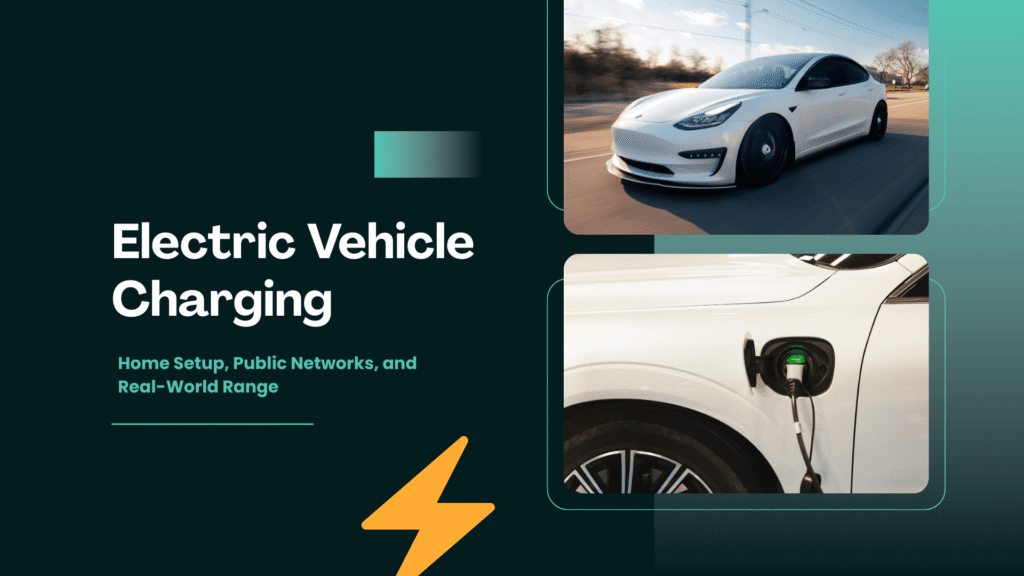
What to Know About Electric Vehicle Charging: Home Setup, Public Networks, and Real-World Range

Home Level 2 charging installation costs $500 to $1,500 before the 30 percent federal tax credit, adding 15 to 30 miles of range per hour — sufficient to fully charge most EVs overnight. Tesla’s Supercharger network, now open to most EVs via NACS adapter, remains the most reliable public DC fast charging option. Real-world range runs 15 to 25 percent below EPA estimates at highway speeds, and cold weather below 32°F can reduce effective range to 50 to 70 percent of the EPA figure. Battery preconditioning while plugged in before cold-weather departures recovers meaningful range.

What to Know About Electric Vehicle Charging: Home Setup, Public Networks, and Real-World Range Read Post »

How to Buy a Used Car Without Getting Burned
Automotive

How to Buy a Used Car Without Getting Burned: A Step-by-Step Guide

Used car buying protection comes from sequential due diligence — market value research through KBB and CarGurus before evaluating specific vehicles, Carfax or AutoCheck history reports before physical inspection, and a $100 to $200 independent mechanic inspection before any price negotiation. Sellers who refuse independent inspection provide the most informative signal in the entire evaluation process. Panel gap inconsistencies and oblique-angle paint inspection reveal unreported accident repair that straight-on visual inspection misses.

How to Buy a Used Car Without Getting Burned: A Step-by-Step Guide Read Post »

Should You Buy or Lease a Car
Automotive

Should You Buy or Lease a Car? How to Make the Right Decision for Your Situation

Leasing produces lower monthly payments by financing only the vehicle’s depreciation during the term rather than its full purchase price — an advantage that favors short-cycle drivers, business users with expense deduction benefits, and EV lessees accessing commercial credits. Buying produces better long-term financial outcomes for drivers who hold vehicles past loan payoff, drive high annual mileage, or value the flexibility that lease mileage and condition restrictions eliminate. Total cost analysis across the actual ownership pattern produces the right answer where monthly payment comparison consistently misleads.

Should You Buy or Lease a Car? How to Make the Right Decision for Your Situation Read Post »

How to Negotiate a Car Price
Automotive

How to Negotiate a Car Price: Scripts and Tactics That Work

Car price negotiation works through preparation — invoice price research from Edmunds or TrueCar, market transaction data establishing realistic targets, and scripts that communicate serious buyer intent. Negotiating vehicle price completely before introducing trade-in or financing prevents the monthly payment framing that obscures total cost. Genuine willingness to walk away expressed through specific language is the most effective single tactic available to any car buyer regardless of the vehicle or market conditions.

How to Negotiate a Car Price: Scripts and Tactics That Work Read Post »

What Is a Good Credit Score to Buy a Car and How to Get the Best Rate
Automotive

What Is a Good Credit Score to Buy a Car and How to Get the Best Rate

A good credit score to buy a car starts around 660 to 680 — the prime tier threshold where auto loan rates drop significantly from subprime levels. On a $35,000 vehicle, the difference between a 7 percent and 14 percent rate exceeds $8,000 in total interest. Pre-approval from a credit union before visiting the dealership creates rate competition that buyers without pre-approval never access. Paying down credit card balances can move buyers across tier boundaries within one to two billing cycles.

What Is a Good Credit Score to Buy a Car and How to Get the Best Rate Read Post »

How Long Do Cars Last What to Know Before Buying New vs Used
Automotive

How Long Do Cars Last? What to Know Before Buying New vs Used

Modern cars regularly reach 200,000 miles with proper maintenance — making the 100,000-mile threshold that once defined a vehicle’s practical end of life obsolete for reliable brands. Toyota and Honda dominate high-mileage longevity data. Used vehicle purchases from reliable brands with verified maintenance histories and pre-purchase inspections offer better value than mileage-based screening alone. Buyers who keep new vehicles ten-plus years capture enough useful life to justify the depreciation cost new ownership imposes.

How Long Do Cars Last? What to Know Before Buying New vs Used Read Post »

Electric Car vs Gas Car (1)
Automotive

Electric Car vs Gas Car: True Cost Comparison for 2026

Electric cars win the true cost comparison in 2026 for buyers with home charging access, qualifying federal tax credits, and sufficient annual mileage for fuel savings to compound. Fuel costs run 55 to 60 percent lower per mile at home charging rates, maintenance costs run 30 to 40 percent lower over ownership, but higher insurance premiums and variable depreciation partially offset these advantages. The honest comparison requires situation-specific calculation rather than universal claims.

Electric Car vs Gas Car: True Cost Comparison for 2026 Read Post »

Best Time to Buy a Car
Automotive

Best Time to Buy a Car: What Dealers Don’t Want You to Know

The best time to buy a car is the end of the month, end of quarter, and end of year — when dealer quota pressure creates negotiating flexibility buyers can access. December combines all three pressures simultaneously. Model year changeover, weekday visits, and pre-arranged financing compound the timing advantage into the strongest possible negotiating position.

Best Time to Buy a Car: What Dealers Don’t Want You to Know Read Post »

Scroll to Top