Indoor Air Quality
Home & Living

Why Your Indoor Air Quality Is Probably Worse Than Outside (And What to Do About It)

Indoor air in the average home is consistently more polluted than the outdoor air surrounding it — a finding that surprises most people and goes unaddressed in most households. VOCs from furniture, flooring, and cleaning products, combustion byproducts from cooking appliances, and biological pollutants from dust, pets, and moisture accumulate in modern airtight homes that lack the natural ventilation older construction inadvertently provided. Improving indoor air quality through intentional ventilation, source reduction, and appropriately sized air filtration is practical, accessible, and one of the more significant health improvements most households can make without leaving home to find it.

Why Your Indoor Air Quality Is Probably Worse Than Outside (And What to Do About It) Read Post »

Chronic Stress
Health & Wellness

What Chronic Stress Does to Your Body Over Time (And the Science-Backed Ways to Reverse It)

Chronic stress does not just feel bad — it produces measurable, progressive damage to the cardiovascular system, brain structure, immune function, and metabolic regulation through the sustained action of elevated cortisol on systems designed for short-term activation only. The research on reversing that damage is equally clear: consistent aerobic exercise, mindfulness-based practice, sleep treated as a physiological priority, and regular social connection all demonstrate documented effects on cortisol regulation and the biological markers of chronic stress damage. The consequences of sustained stress are real and serious — and so is the body’s capacity to recover from them when given the conditions to do so.

What Chronic Stress Does to Your Body Over Time (And the Science-Backed Ways to Reverse It) Read Post »

Online Courses
Education & Learning

Why Micro-Credentials and Online Certifications Are Changing What Employers Actually Want

Micro-credentials and online certifications are gaining serious traction in hiring decisions as employers shift focus from degree credentials to demonstrated, specific skills. Faster to earn, directly tied to current industry needs, and increasingly verifiable, they are filling a gap that traditional education has struggled to close at the pace the job market now demands. For anyone making career or educational decisions today, understanding which credentials carry real weight in their target industry — and pursuing them with strategic intent rather than as a collection exercise — is one of the most practically valuable moves available in the current hiring landscape.

Why Micro-Credentials and Online Certifications Are Changing What Employers Actually Want Read Post »

Extend the Life of Your Car
Automotive

How to Extend the Life of Your Car to 200,000 Miles Without Spending a Fortune

Reaching 200,000 miles on a single vehicle is less about the car and more about the owner. Consistent oil changes at the right interval, cooling system maintenance that prevents the most expensive surprise failures, tire and brake care that avoids cascading damage, and driving habits that reduce mechanical stress are the inputs that reliably produce high-mileage vehicles. None of it requires significant spending — it requires consistency, attention, and the understanding that a vehicle maintained proactively will always cost less to own than one maintained reactively after something has already gone wrong.

How to Extend the Life of Your Car to 200,000 Miles Without Spending a Fortune Read Post »

AI writing tools
Artificial Intelligence

Why AI Writing Tools Are Getting Better at Sounding Human (And How to Tell the Difference)

AI writing tools have become sophisticated enough that the surface-level signals most readers once used to identify machine-generated content are no longer reliable. The improvement is real, driven by training methods that teach models to prioritize what human readers find natural and engaging rather than what is merely grammatically probable. What remains identifiable — for readers who know what to look for — is the absence of genuine specificity, individual perspective, and the kind of earned insight that only comes from a mind that has actually lived inside its subject. The gap is narrowing. The difference still exists.

Why AI Writing Tools Are Getting Better at Sounding Human (And How to Tell the Difference) Read Post »

Solo Travel Presentation
Travel & Destinations

How to Travel Solo for the First Time Without Making the Mistakes Most First-Timers Make

A first solo trip is less about bravery and more about preparation — choosing a destination that forgives the learning curve, planning a structure loose enough to allow genuine discovery, staying safety-aware without sacrificing enjoyment, and acknowledging that loneliness is a normal and temporary part of the experience rather than a sign something has gone wrong. The travelers who return from their first solo trip already planning the next one are not unusually adventurous. They simply went in knowing what to expect — and gave themselves the conditions to experience what makes solo travel worth doing more than once.

How to Travel Solo for the First Time Without Making the Mistakes Most First-Timers Make Read Post »

Smart Devices
Technology & Gadgets

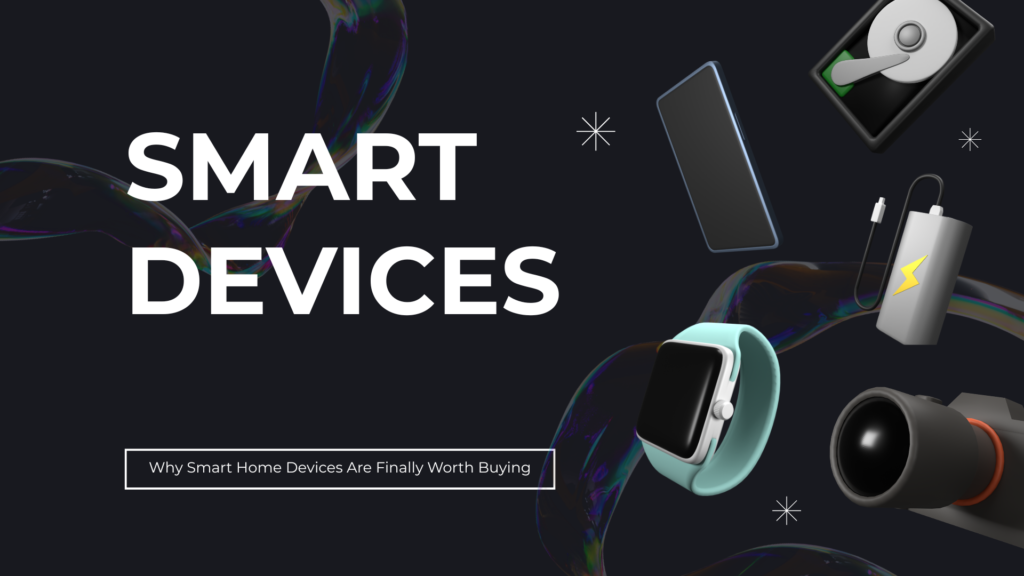
Why Smart Home Devices Are Finally Worth Buying (And Which Ones to Start With)

Smart home technology has finally delivered on the promise it made a decade ago — not through any single dramatic breakthrough but through the gradual maturation of interoperability standards, price accessibility, and device reliability that together make the category genuinely practical for everyday households. Starting with a smart thermostat, expanding to lighting and security devices, and choosing Matter-certified products that work across ecosystems are the decisions that turn smart home investment from a hobby into a home that works more efficiently, more securely, and more conveniently than the one it replaces.

Why Smart Home Devices Are Finally Worth Buying (And Which Ones to Start With) Read Post »

Credit Score
Personal Finance

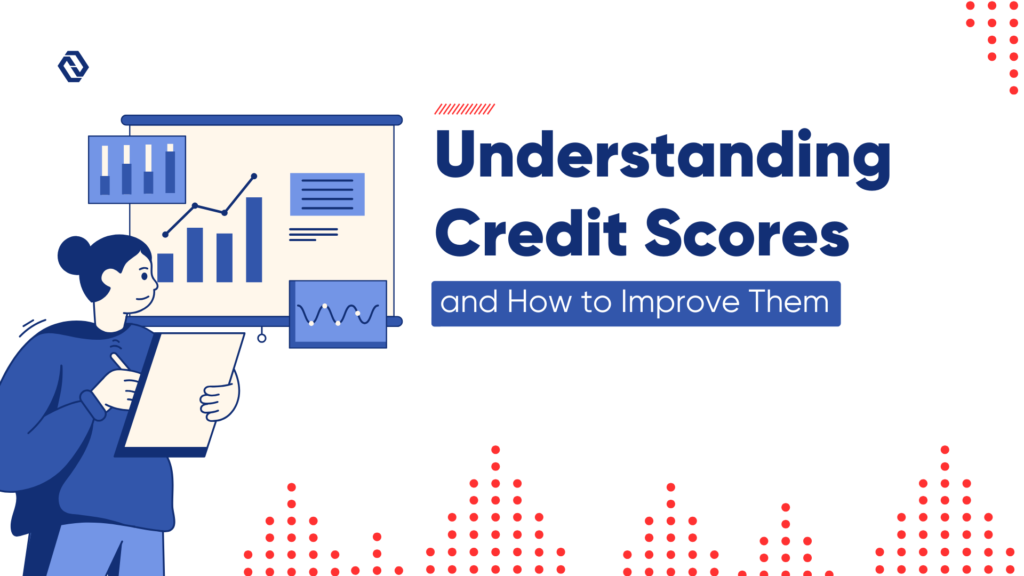
Why Your Credit Score Matters More Than You Think (And the Fastest Ways to Improve It)

Your credit score influences far more than loan approvals — it affects insurance rates, rental applications, and in some cases employment decisions, making it one of the most quietly consequential numbers in your financial life. The fastest improvements come from reducing credit card utilization before statement closing dates, automating payments to protect the history record, and disputing inaccurate negative items that may be suppressing your score without justification. Understanding what the score measures and which behaviors move it most efficiently is the starting point for turning a number that works against you into one that consistently works in your favor.

Why Your Credit Score Matters More Than You Think (And the Fastest Ways to Improve It) Read Post »

Job Salary
Jobs & Careers

How to Negotiate a Higher Salary Without Risking the Job Offer

Most people leave money on the table at the job offer stage because the fear of negotiating feels more real than the risk actually is. Employers expect negotiation, build salary bands with room to move, and rarely withdraw offers because a candidate asked a professional question about compensation. Arriving at that conversation with market research, a specific target number, and language that keeps the exchange collaborative rather than confrontational transforms negotiation from an anxiety-inducing risk into the most financially impactful conversation of the hiring process.

How to Negotiate a Higher Salary Without Risking the Job Offer Read Post »

Health Insurance
Insurance

What Most People Don’t Understand About Their Health Insurance Until It’s Too Late

Most people discover the real details of their health insurance at the worst possible moment — when a medical situation has already begun and the financial stakes are already high. The premium is only the beginning of the cost equation. Deductibles, coinsurance, network distinctions, preauthorization requirements, and prescription formularies all shape what you actually pay when care is needed. Understanding these mechanics before you need them is not complicated — but it is the difference between coverage that protects you and coverage that surprises you.

What Most People Don’t Understand About Their Health Insurance Until It’s Too Late Read Post »

Scroll to Top