Minimalism has gained popularity as a lifestyle choice that promises clarity, calm, and happiness through simplicity. Images of clean spaces, neutral colors, and uncluttered rooms suggest that owning less can somehow lead to living more. But does a minimalist home actually improve happiness, or is it just a design trend?
To answer that, it’s important to look beyond aesthetics and understand how living spaces influence daily life, habits, and well-being.
What Minimalism Really Means in Everyday Living
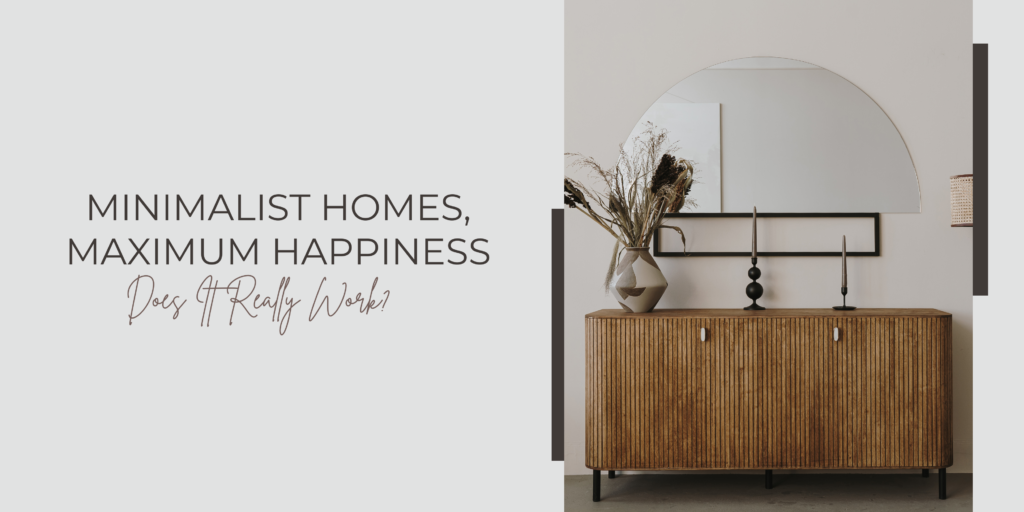
Minimalism is often misunderstood as living with almost nothing. In reality, it focuses on intentional living—keeping what serves a purpose and removing what doesn’t. A minimalist home prioritizes function, comfort, and personal value over excess.
This approach encourages people to question their relationship with possessions. Instead of filling space, minimalism asks whether items add usefulness or meaning. The result isn’t emptiness, but clarity and purpose within the living environment.
How Clutter Affects Mental and Emotional Well-Being
Research in behavioral psychology suggests that clutter can contribute to stress and mental fatigue. Visually busy environments demand constant attention, even when we’re not consciously aware of it.
A more organized, simplified space reduces distractions and can make daily routines feel easier. When items have designated places and rooms feel open, people often report improved focus, calmer moods, and less decision fatigue. While minimalism doesn’t solve all problems, it can remove unnecessary friction from daily life.
Does Owning Less Actually Increase Happiness?
Happiness is subjective, and minimalism does not guarantee it. However, many people find that owning fewer possessions reduces stress related to maintenance, cleaning, and decision-making. Fewer items often mean fewer responsibilities.
Minimalism can also shift focus away from material accumulation and toward experiences, relationships, and personal growth. That mental shift—not the lack of objects itself—is often what contributes to a sense of satisfaction and control.
When Minimalism Doesn’t Work for Everyone
Minimalism is not a universal solution. For some, strict minimalism can feel restrictive or emotionally uncomfortable, especially if possessions hold sentimental value or creative purpose.
Happiness doesn’t come from following a rigid formula. A home filled with meaningful items can be just as joyful as a minimalist space. The key difference lies in intention. If minimalism becomes a source of pressure rather than freedom, it may work against its original purpose.
Finding Balance Between Simplicity and Comfort
The most sustainable approach is often mindful minimalism. This means reducing excess while keeping items that support comfort, creativity, and daily needs. Balance allows a home to feel both functional and personal.
Instead of focusing on how little you can own, focusing on what truly supports your lifestyle leads to better long-term satisfaction. A home should serve its occupants—not the other way around.
Long-Term Impact of a Simplified Living Space
Over time, simplified living spaces can encourage better habits. Cleaning becomes easier, routines feel smoother, and decision-making requires less energy. These small improvements can compound into a noticeable difference in daily quality of life.
Minimalism also promotes conscious consumption, which helps prevent clutter from returning. This awareness often extends beyond the home into other areas of life, encouraging more intentional choices overall.
Conclusion
Minimalist homes don’t automatically create happiness, but they can support it when practiced with intention. By reducing unnecessary clutter and focusing on what truly matters, many people experience less stress and more clarity in their daily lives. The key isn’t owning less—it’s living better. Minimalism works best when adapted to individual needs rather than followed as a strict rule.