
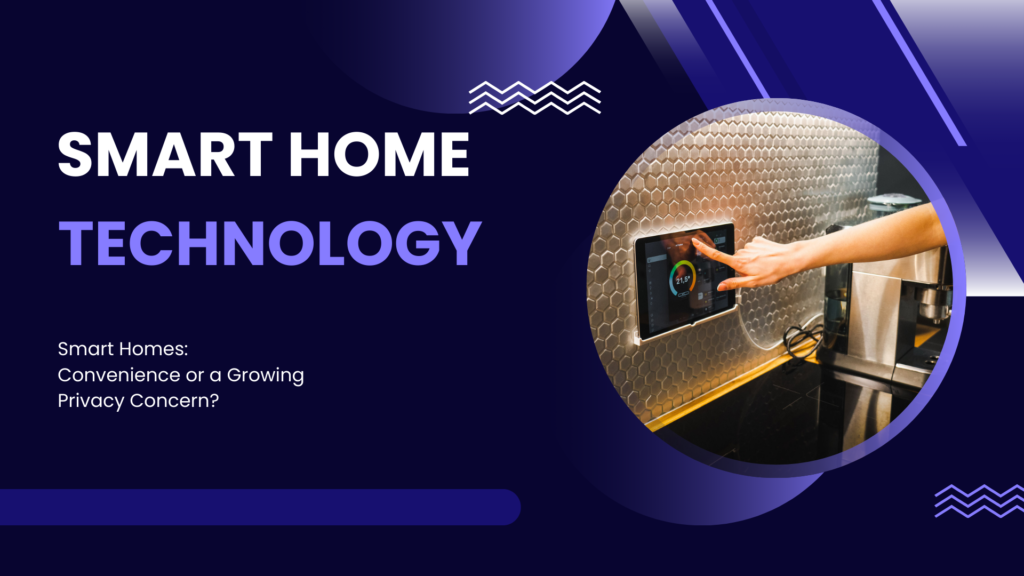
Smart home technology has moved from novelty to normal. Devices that control lighting, temperature, security, and entertainment are now common in many households. While these tools promise comfort and efficiency, they also raise important questions about data, privacy, and digital boundaries.
Understanding both the benefits and potential risks of smart homes can help individuals decide how to use this technology more thoughtfully.
How Smart Homes Improve Everyday Convenience
Smart home devices are designed to simplify daily routines. Automated lighting, voice-controlled assistants, and smart thermostats allow users to manage their environment with minimal effort. For many households, this convenience saves time and improves comfort.
Remote access is another key benefit. Being able to monitor or adjust home settings from a mobile device offers peace of mind, especially when away from home. These features appeal to people seeking efficiency and greater control over their living space.
The Role of Data in Smart Home Technology
Smart devices rely on data to function effectively. They collect information about usage patterns, preferences, and schedules to deliver personalized experiences. This data helps systems learn routines and improve performance over time.
However, data collection is not always visible to users. Understanding what information is gathered and how it is stored is essential. Transparency plays a major role in determining whether smart home technology feels helpful or intrusive.
Privacy Concerns and Common Misunderstandings
Privacy concerns often arise from uncertainty rather than actual risk. Some worry that smart devices constantly monitor conversations or activities. While most devices operate under specific conditions, misconceptions can increase anxiety.
That said, privacy risks do exist. Weak passwords, outdated software, or poorly configured settings can expose devices to unauthorized access. Awareness and proper setup are key to minimizing these risks and maintaining control over personal information.
Finding Balance Between Security and Control
Smart homes do not require sacrificing privacy for convenience. Simple practices can improve safety and reduce exposure. Reviewing privacy settings, enabling updates, and understanding device permissions help users stay informed.
Choosing devices with clear privacy policies and strong security features adds another layer of protection. Being selective rather than excessive with connected devices allows households to enjoy benefits without unnecessary complexity.
Making Informed Choices About Smart Living
The decision to adopt smart home technology is personal. Some prioritize automation and ease, while others value simplicity and minimal data sharing. There is no universal approach that suits everyone.
Evaluating needs, researching products, and setting clear boundaries helps ensure smart home tools align with personal comfort levels. Informed choices lead to better experiences and fewer concerns over time.
Conclusion
Smart homes offer undeniable convenience, but they also require thoughtful use. Understanding how devices work, what data they collect, and how to manage settings empowers users to enjoy modern technology responsibly. With awareness and balance, smart homes can enhance daily living without compromising personal privacy.