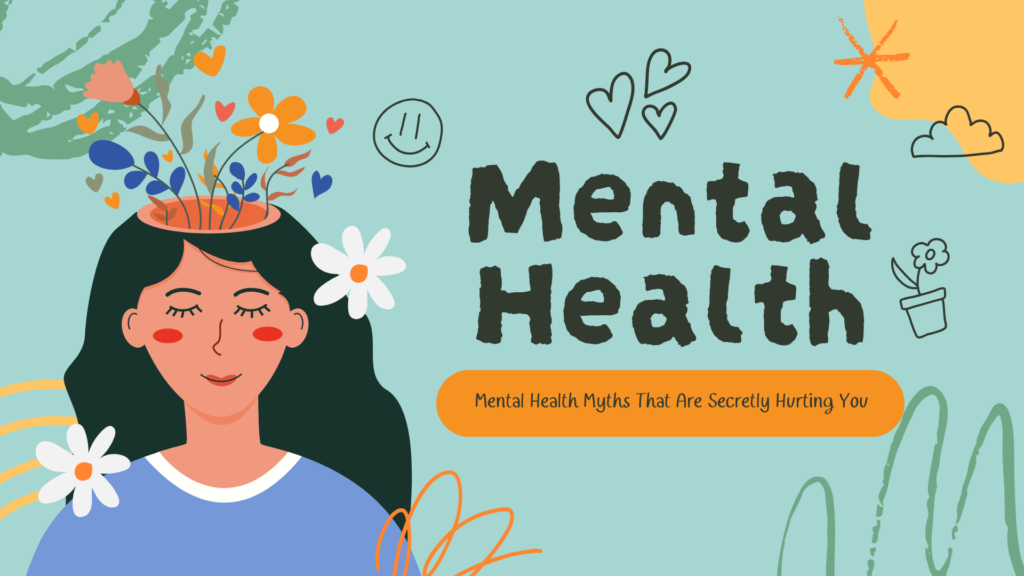
Mental health is discussed more openly today than ever before, yet many misconceptions still exist. These myths often sound harmless, but they can quietly shape how people view themselves, others, and the support they deserve. Over time, believing these ideas can create unnecessary guilt, isolation, or hesitation around seeking help.
Understanding what mental health is — and what it is not — is an important step toward healthier thinking and better daily well-being. This article explores some of the most common mental health myths and why letting go of them matters.
Myth 1: Mental Health Problems Are a Sign of Weakness
One of the most damaging beliefs is that struggling mentally reflects a lack of strength or character. This myth often prevents people from acknowledging challenges or asking for support when they need it most.
Mental health is influenced by many factors, including stress, environment, biology, and life experiences. Just as physical health can fluctuate, mental well-being can change over time. Recognizing emotional challenges is not weakness — it is awareness.
Myth 2: You Should Be Able to “Snap Out of It”
Another common misconception is that people can simply choose to stop feeling anxious, sad, or overwhelmed. This belief minimizes real experiences and places unfair pressure on individuals to recover instantly.
Mental health challenges are rarely resolved through willpower alone. They often require time, understanding, lifestyle adjustments, and sometimes professional guidance. Expecting immediate change can lead to frustration and self-blame, making recovery harder rather than easier.
Myth 3: Mental Health Issues Are Rare
Many people assume mental health challenges affect only a small portion of the population. In reality, emotional stress, burnout, and anxiety are common experiences at different stages of life.
This myth contributes to feelings of isolation, making individuals believe they are alone in their struggles. Recognizing how widespread mental health challenges are can reduce stigma and encourage more open, supportive conversations.
Myth 4: Talking About Mental Health Makes Things Worse
Some believe that discussing mental health concerns will intensify negative feelings or bring unnecessary attention to problems. As a result, people may suppress emotions or avoid conversations altogether.
In truth, thoughtful and respectful conversations often help people feel understood and less alone. Talking does not create problems — it helps identify them. When done in a safe environment, communication can be a powerful step toward clarity and relief.
Myth 5: Mental Health Only Matters During a Crisis
Mental health is sometimes viewed as important only when something feels “seriously wrong.” This mindset ignores the value of everyday mental well-being and preventative care.
Just like physical health, mental health benefits from regular attention. Healthy routines, balanced habits, and emotional awareness support long-term stability. Waiting until a crisis appears can make challenges harder to manage.
How These Myths Affect Daily Life
Believing these myths can quietly influence decisions, relationships, and self-esteem. They may discourage people from setting boundaries, expressing emotions, or seeking guidance when overwhelmed. Over time, this can lead to increased stress and reduced quality of life.
Replacing myths with accurate understanding allows individuals to respond to challenges with compassion rather than judgment. Awareness creates space for healthier coping strategies and more supportive interactions.
Conclusion
Mental health myths often persist because they are deeply ingrained in culture and language. However, recognizing and challenging these misconceptions can make a meaningful difference in how people care for themselves and others. Mental well-being is an ongoing process, not a measure of strength or failure. By letting go of harmful myths, individuals can move toward a more balanced and informed approach to emotional health.