Sleep is the health behavior whose neglect produces the most immediate and most measurable cognitive and physical performance degradation of any lifestyle factor — and the one whose improvement the wellness industry has most thoroughly complicated with a product category whose effectiveness ranges from well-supported to entirely implausible. The person who sleeps six hours nightly and supplements with magnesium glycinate, wears blue-light blocking glasses, and tracks their sleep stages through a wearable device while continuing to consume caffeine after noon, maintain an irregular sleep schedule, and check their phone in bed is optimizing the periphery while neglecting the core practices whose impact on sleep quality the research most consistently and most substantially documents. Understanding what sleep science has established about the mechanisms that govern sleep quality — the circadian rhythm whose disruption is the most common underlying cause of sleep difficulty, the sleep pressure system whose management determines sleep onset and depth, and the arousal systems whose activation prevents the sleep transition — produces the behavior change that addresses sleep problems at their causes rather than at their symptoms.
The Two Systems That Govern Sleep Quality
The sleep quality that most people experience as a single phenomenon is determined by the interaction of two distinct biological systems whose understanding makes the specific interventions that improve sleep quality mechanistically coherent rather than empirically arbitrary. The circadian rhythm — the approximately 24-hour biological clock whose entrainment to the light-dark cycle determines the timing of sleep propensity, core body temperature, cortisol release, and the hormonal cascade whose coordination produces the sleepiness and alertness that the daily cycle generates — is the timing system whose disruption produces the difficulty falling asleep at the desired time, the early morning waking, and the daytime sleepiness that circadian misalignment creates regardless of total time in bed. The sleep pressure system — the homeostatic accumulation of adenosine and other sleep-promoting substances during wakefulness that produces the increasing sleep drive whose discharge during sleep resets the accumulation — is the quantity system whose depletion through napping, sleep extension, or inadequate prior wakefulness reduces the drive that makes sleep onset easy and sleep depth consolidating.
The insomnia that most adults experience at some point and that chronic sufferers experience persistently is typically a problem of one or both of these systems — either the circadian timing is misaligned so that sleep propensity is low at the desired sleep time, or the hyperarousal that anxiety, stress, and the conditioned arousal that the bed environment can develop produces the neurological activation that overrides the sleep pressure whose accumulation would otherwise produce sleep onset. The interventions that work address these mechanisms specifically rather than adding sedating supplements whose chemical effects substitute for rather than restore the natural sleep processes that behavioral and environmental changes can often address more durably.
Circadian Rhythm: The Timing Foundation That Most Sleep Advice Underemphasizes
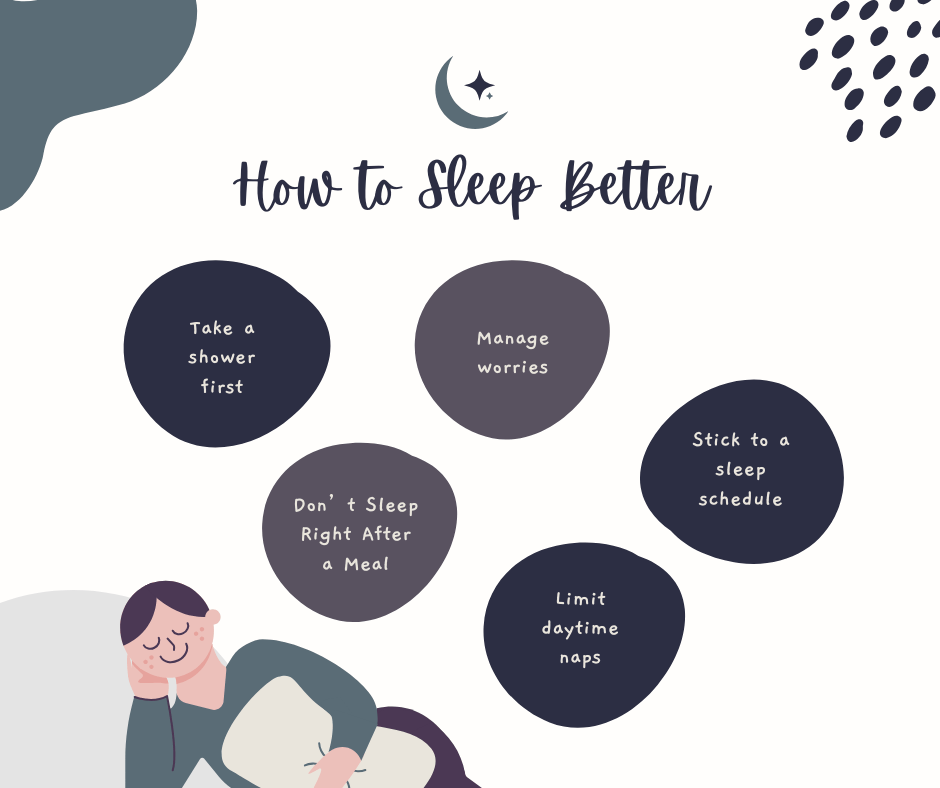
The consistent sleep and wake schedule whose maintenance across both weekdays and weekends is the single most impactful sleep quality intervention that sleep researchers most consistently identify and that most sleep improvement seekers most consistently fail to implement with the seven-day consistency that circadian entrainment requires. The circadian clock that has been entrained to a consistent wake time produces the cortisol awakening response, the morning light-sensitive period of maximal circadian entrainment, and the sleep pressure accumulation from a consistent wake time that together determine the evening sleep propensity at the desired bedtime. The variable wake schedule that sleeping late on weekends produces — social jet lag in the sleep research literature — shifts the circadian phase in the late direction that requires readjustment each Monday morning, producing the difficulty falling asleep Sunday night and the Monday morning grogginess that social jet lag creates as reliably as eastward travel across time zones.
Morning light exposure is the circadian entrainment signal whose consistent application produces the fastest and most reliable circadian phase stabilization available without pharmaceutical intervention. The 10 to 30 minutes of outdoor light exposure within the first hour after waking — or the equivalent bright light therapy whose 10,000 lux light box produces indoor light exposure at outdoor light intensity — provides the photoreceptor stimulation that suppresses the morning melatonin tail, advances the circadian phase, and anchors the sleep pressure accumulation to the wake time that the light exposure reinforces. The timing specificity that circadian biology requires — morning light exposure produces phase advance while evening light exposure produces phase delay — explains why the same light intensity produces opposite circadian effects at different times of day, and why the phone and television screen exposure that most people accumulate in the evening is producing the phase delay that pushes sleep timing later rather than the phase advance that morning light produces.
Sleep Pressure: Managing the Accumulation That Makes Sleep Easy
The sleep pressure system whose adenosine accumulation during wakefulness produces the sleep drive that makes sleep onset easy after sufficient wakefulness and difficult after insufficient wakefulness is the system that napping and caffeine most directly affect — in opposite directions. The nap that discharges accumulated sleep pressure before the desired bedtime reduces the drive that evening sleep onset requires, producing the difficulty falling asleep that napping too late or too long reliably causes in people whose nighttime sleep is already fragile. The research on nap timing and duration that has produced the most consistent recommendations suggests that naps of 10 to 20 minutes taken before 2 PM preserve the sleep pressure accumulation that evening sleep onset requires while providing the alertness restoration that brief napping delivers — while naps longer than 30 minutes taken after 3 PM produce the sleep inertia and sleep pressure depletion whose effects on nighttime sleep quality and onset difficulty the nap’s alertness benefit does not compensate for.
Caffeine’s mechanism is the competitive antagonism of adenosine receptors — caffeine does not eliminate adenosine accumulation but blocks its receptor binding, masking the sleep pressure signal while the adenosine continues to accumulate behind the blockade. The caffeine half-life of 5 to 7 hours in most adults means that the afternoon coffee consumed at 2 PM still has 50 percent of its receptor-blocking effect at 8 PM — reducing the sleep pressure signal at the time that sleep onset requires its maximum expression. The research on caffeine cutoff timing and sleep quality has consistently supported the recommendation of no caffeine after noon for adults with sleep difficulty — a cutoff that feels unnecessarily early until the half-life arithmetic is applied to the desired sleep time and the receptor occupancy that the remaining caffeine produces.
The Sleep Environment and Behavioral Practices With the Strongest Evidence
The sleep environment modifications whose research support is strongest are the bedroom temperature reduction and the light and sound management whose sensory conditions the sleeping brain is acutely sensitive to in ways that wakefulness masks. The core body temperature reduction of approximately 1 to 2 degrees Fahrenheit that sleep onset requires is facilitated by the ambient temperature whose range of 65 to 68 degrees Fahrenheit most research identifies as optimal for sleep onset and maintenance — the room that is too warm prevents the core temperature reduction that sleep architecture requires, producing the restless, surface-level sleep that thermal discomfort generates.
Stimulus control — the behavioral sleep medicine intervention that restricts bed use to sleep and sex, training the association between the bed environment and sleep rather than wakefulness — is the behavioral practice whose research support for chronic insomnia is as strong as any pharmacological intervention’s and whose duration of effect exceeds sleep medication’s by producing the conditioned sleepiness association rather than the tolerance that pharmacological sedation develops. The person who reads, watches television, works, and worries in bed is conditioning the bed association with wakefulness and arousal — the reverse conditioning that stimulus control reverses by restricting bed activity to sleep until the conditioned sleepiness association replaces the conditioned arousal that mixed-use bed behavior produces.
What the Supplements Actually Do
The sleep supplement category whose marketing has expanded alongside sleep awareness is worth honest assessment rather than wholesale endorsement or dismissal. Melatonin’s evidence is most specific and most frequently misapplied — melatonin is a circadian timing signal rather than a sedative, and its most evidence-supported application is circadian phase shifting for jet lag and shift work rather than the general sleep improvement that most melatonin purchasers are seeking. The dose that produces phase shifting without next-day grogginess — 0.5 to 1 mg taken 30 to 60 minutes before the desired sleep time — is lower than the 5 to 10 mg doses that most commercial melatonin products provide, whose excess produces the receptor downregulation that reduces endogenous melatonin sensitivity over time.
Magnesium glycinate and magnesium threonate have accumulated preliminary evidence for sleep quality improvement — the magnesium deficiency that a significant proportion of adults carry impairs the GABA system function whose activation is required for sleep onset, and magnesium supplementation in deficient individuals produces sleep quality improvements whose magnitude in replicated trials is meaningful if modest. The caveat that applies is specificity — magnesium supplementation addresses sleep difficulty that magnesium deficiency is contributing to rather than sleep difficulty arising from the circadian and behavioral factors that behavioral interventions address more directly.
Conclusion
Sleep quality improvement that the research supports begins with the circadian and behavioral foundations — consistent wake time across all seven days, morning light exposure whose phase-anchoring effect the circadian clock responds to most powerfully, caffeine cutoff before noon for adults with sleep difficulty, bedroom temperature at 65 to 68 degrees, and stimulus control that conditions the bed association with sleep rather than wakefulness. The supplements and devices that the sleep improvement market offers provide peripheral benefit whose value is conditional on the behavioral foundation whose absence they cannot substitute for — and whose presence makes their contribution additive rather than primary.