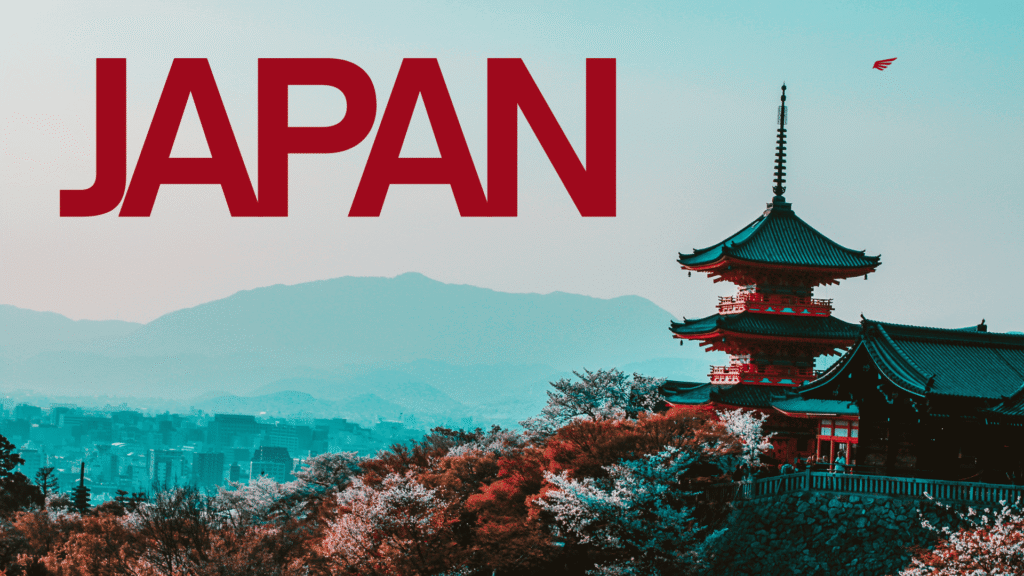
The best time to visit Japan depends more on what kind of traveler you are than on any universal optimal window — a country whose four distinct seasons each transform its landscapes, cultural calendar, and travel experience in ways that make different periods genuinely better for different priorities. The traveler chasing cherry blossoms has a different best time than the one seeking autumn foliage, the budget traveler has a different best time than the one whose priority is avoiding crowds, and the traveler focused on cultural festivals has a different best time than the one whose priority is outdoor adventure. Japan rewards the traveler who matches their visit to the season that serves their specific goals — and punishes the one who arrives during peak cherry blossom season expecting the quiet contemplative experience that the same temples and gardens deliver six weeks later. This guide breaks down what each season actually delivers and which traveler it serves best.
Spring: Cherry Blossom Season and Its Trade-Offs
Spring in Japan — specifically the cherry blossom season that runs from late March through mid-April depending on latitude and annual temperature variation — is the most internationally recognized reason to visit and the period that combines the country’s most spectacular natural display with its highest tourist density. The sakura bloom transforms parks, temple grounds, riverbanks, and castle moats into the pink-white canopy that has made Japanese spring one of the most photographed seasonal events in the world, and the hanami picnic culture that accompanies the bloom — families and friends gathering under flowering trees to eat and drink through the bloom’s brief duration — provides the kind of genuine cultural immersion that few seasonal events in any country offer visitors.
The trade-off that peak cherry blossom season imposes is significant enough to affect the experience meaningfully for travelers who have not planned for it. Accommodation prices in major cities double or triple during peak bloom weeks. Popular spots including Maruyama Park in Kyoto and Shinjuku Gyoen in Tokyo reach capacity during weekend bloom peaks that produce crowd densities incompatible with the contemplative experience the settings would otherwise allow. The traveler who arrives during the first week of April expecting to experience cherry blossoms in peaceful temple gardens may instead experience them in dense crowds whose presence changes the character of every famous location.
The mitigation strategies that allow spring visitors to capture the bloom without its worst crowd consequences are timing and location — visiting earlier in the bloom progression when the blossoms are opening rather than at full peak, choosing less prominent viewing locations over the famous ones, and visiting popular spots at opening time before the crowds arrive. The traveler whose schedule allows flexibility in the spring window should research the bloom forecast — published annually by the Japan Meteorological Corporation with city-by-city predictions — and time arrival for the opening phase rather than the peak.
Summer: Heat, Festivals, and the Travelers Who Thrive Here
Summer in Japan — June through August — is the period that most international travel guides describe as the least recommended season, and the description has enough validity to warrant honest engagement rather than reflexive contrarianism. June brings the rainy season — tsuyu — whose overcast skies and persistent rain make outdoor sightseeing uncomfortable and photography challenging across most of Honshu. July and August bring the heat and humidity that Japan’s geography and climate produce at a level that visitors from temperate climates find significantly more demanding than they anticipated.
The summer season that these conditions discourage for most travelers is simultaneously the richest period in Japan’s cultural calendar for the traveler whose priority is festivals rather than comfortable sightseeing. Japan’s summer matsuri — the regional festivals that fill the July and August calendar with fireworks, traditional dance, and the street food markets that Japanese festival culture produces — represent some of the most vibrant and most authentically local cultural experiences available in the country. The Gion Matsuri in Kyoto, held throughout July with its climactic procession of elaborate floats on July 17th, is among the most important traditional festivals in Japan and draws visitors who accept the summer heat as the price of an experience the cooler seasons cannot provide.
Hokkaido is the summer exception that experienced Japan travelers know about — Japan’s northernmost main island escapes the heat and humidity that make summer difficult in Honshu, offering comfortable temperatures, spectacular flower fields including the lavender fields of Furano, and the outdoor hiking and cycling that summer in the north is ideally suited to. The traveler whose Japan visit coincides with summer and who has flexibility in destination selection finds Hokkaido in summer one of the country’s most rewarding regional experiences.
Autumn: The Season That Rivals Spring Without the Crowds
Autumn in Japan — the koyo foliage season that runs from mid-October through late November depending on latitude — is the season that experienced Japan travelers most consistently identify as their preferred visit window, and the preference reflects both the quality of the autumn experience and the relatively more manageable crowd conditions compared to spring. The maple and ginkgo foliage that transforms temple gardens, mountain landscapes, and city parks into intense concentrations of red, orange, and gold produces a visual spectacle that many visitors find equal or superior to cherry blossoms — and the cooler, drier weather of autumn makes extended outdoor sightseeing more comfortable than the spring crowds and summer heat allow.
The crowd situation in autumn is better than spring at most locations but should not be characterized as uncrowded — Kyoto’s most famous autumn foliage viewing spots including Tofuku-ji and Eikan-do attract visitor volumes that require early morning timing and realistic expectations about weekend peak conditions. The advantage autumn holds over spring in crowd management is primarily the greater geographic dispersion of excellent foliage viewing — while cherry blossoms concentrate visitors in the same famous locations simultaneously, autumn foliage viewing rewards movement to mountain regions, smaller cities, and the rural landscapes where the foliage is spectacular and the visitor volumes are a fraction of what the Kyoto temple circuit attracts.
Winter: The Season for Budget Travelers and Powder Snow
Winter in Japan — December through February — is the least visited season and the one that produces the most favorable conditions for the specific traveler profiles it suits best. Accommodation prices drop significantly from peak season levels, popular attractions are accessible without the crowds that spring and autumn generate, and the winter landscape — particularly the heavy snowfall that blankets the Japanese Alps and Hokkaido — produces the conditions that attract skiers and snowboarders from across Asia and increasingly from further afield.
The skiing that Niseko in Hokkaido provides has achieved international recognition for the quality and depth of its powder snow — a reputation that has driven significant tourist development and price increases that make Niseko less of an undiscovered budget option than it was a decade ago, while maintaining the snow quality that produced its reputation. The Tohoku region and the Japanese Alps offer winter experiences including the snow monkey hot springs at Jigokudani — where wild Japanese macaques bathe in the thermal waters surrounded by snow — that represent the kind of uniquely Japanese winter experience that no other season provides.
Conclusion
The best time to visit Japan is spring for cherry blossom seekers who plan early and manage crowds strategically, summer for festival enthusiasts and Hokkaido outdoor travelers, autumn for the traveler who wants the full visual spectacle of Japanese seasonal beauty at more manageable crowd levels, and winter for budget travelers, skiers, and anyone whose priority is experiencing Japan’s famous sites without peak season pressure. Every season delivers a genuinely rewarding Japan experience — the traveler who matches their visit to the season that serves their specific priorities finds a Japan that exceeds expectations regardless of when they arrive.